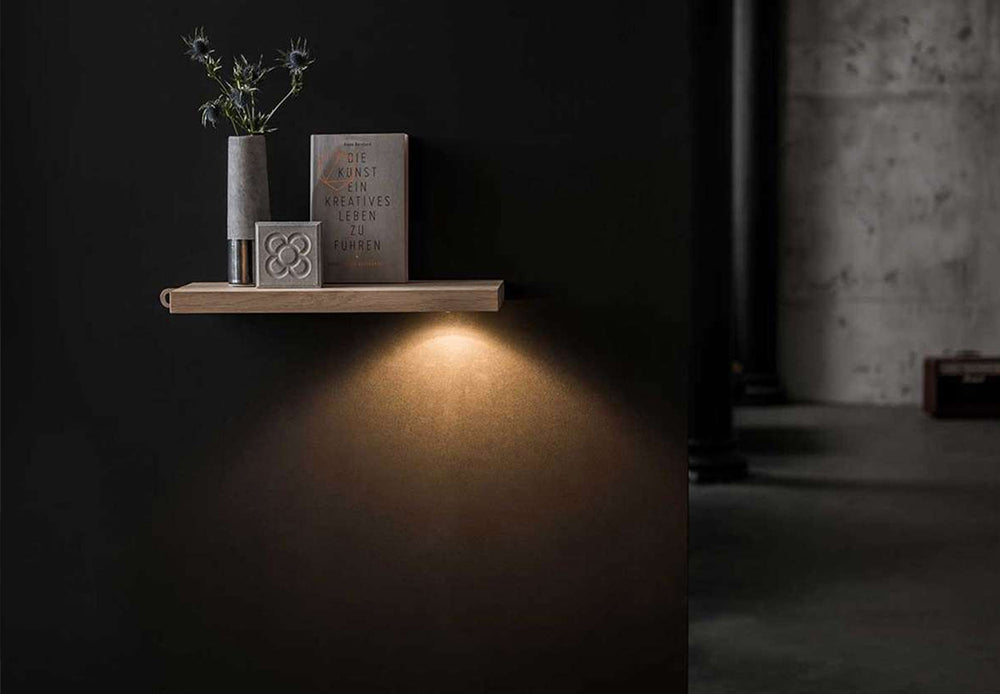
Understanding CRI (Colour Rendering Index): Why It Matters More Than Brightness
Have you ever purchased a stunning, deep navy-blue sweater from your favourite boutique, only to step out into the natural daylight and realise it is actually charcoal black? Or perhaps you have spent hours perfecting your makeup in front of your bathroom mirror, feeling incredibly confident, only to catch your reflection in the car's rearview mirror and wonder why your foundation looks entirely mismatched.
If these scenarios sound all too familiar, you have experienced a lighting phenomenon that goes far beyond simple brightness. You have experienced the profound effects of the Colour Rendering Index (CRI).
When most of us shop for LED lights or home lighting fixtures, our eyes immediately dart toward the wattage or the lumen count. We have been conditioned to believe that brighter is always better. However, in the world of modern interior design, architecture, and everyday practical living, brightness is only half the story. The quality of that light is what truly transforms a space from sterile and uninviting to warm, accurate, and visually spectacular.
In this comprehensive, SEO-aligned guide, we are going to dive deep into what CRI is, why it matters significantly more than raw brightness, and how choosing the right fixtures—like the premium offerings from Ankur Lighting—can fundamentally elevate your living spaces.
What Exactly is the Colour Rendering Index (CRI)?
In simple, jargon-free terms, the Colour Rendering Index (CRI) is a measurement of how accurately a light source reveals the true colours of objects, people, and environments compared to a natural light source (like sunlight).
Natural sunlight is the gold standard for lighting; it contains the complete spectrum of visible colours. Sunlight is assigned a maximum CRI score of 100. When we measure artificial lighting, such as LED bulbs, halogen lamps, or fluorescent tubes, we are measuring how closely their light mimics the colour-revealing perfection of the sun.

The CRI Scale Explained
CRI is measured on a scale from 0 to 100. Here is how you can break down the numbers when you are shopping for your next set of downlights or chandeliers:
-
CRI 90 - 100 (Excellent): This is the top tier. Lights in this range render colours almost perfectly. Reds look rich and vibrant, skin tones look natural and healthy, and textures are highly defined. This is essential for retail stores, art galleries, high-end homes, and bathroom vanities.
-
CRI 80 - 90 (Good): This is the standard for most high-quality indoor lighting. It provides accurate colour representation for general daily activities in living rooms, bedrooms, and hallways. Most modern, reputable LED lights fall into this category.
-
CRI 70 - 80 (Fair): Colours may begin to look a bit washed out or slightly shifted. This range is usually acceptable for outdoor security lighting, streetlights, or garage lighting where colour accuracy is not the primary concern.
-
Below 70 (Poor): Under this light, colours look dull, unnatural, and sickly. Think of the harsh, greenish tint of old-school office fluorescent lights or cheap basement bulbs.
The Great Debate: Brightness (Lumens) vs. Quality (CRI)
To understand why CRI is the true hero of lighting design, we need to separate it from brightness.
Brightness is measured in lumens. It tells you how much light a fixture is pumping into a room.
CRI, on the other hand, tells you the quality of that light.
Imagine you are reading a book in a completely dark room. If you turn on a massive, 5000-lumen industrial floodlight with a terrible CRI of 60, the room will undoubtedly be bright. However, the pages of your book might look oddly grey, the wooden furniture will look flat and lifeless, and your skin will look pale.
Conversely, if you turn on a 800-lumen LED spotlight with a CRI of 95, the room won't be blindingly bright, but the colours will pop. The warm tones of your wooden coffee table will shine through, the fabric of your sofa will show its true texture, and the atmosphere will feel incredibly inviting.
A high lumen count without a high CRI is like turning up the volume on a terrible speaker—it is loud, but it doesn't sound good. For interior design, visual merchandising, and daily comfort, you want clarity, not just intensity.

Real-World Scenarios Where CRI is the Ultimate Game-Changer
Why should a homeowner, a business owner, or an interior designer care about this metric? Let’s look at a few practical scenarios where the Colour Rendering Index makes all the difference.
1. The Kitchen and Dining Area
Cooking is a highly visual task. A high CRI light in your kitchen ensures that you can tell whether a piece of meat is perfectly browned or still raw. It makes fresh vegetables look crisp, vibrant, and appetizing. When you move to the dining room, high CRI lighting over the table ensures that the meals you spent hours preparing look as delicious as they taste. Low CRI lighting can make even a gourmet meal look dull and unappetizing.
2. The Bathroom and Vanity
This is perhaps the most critical area for high CRI lighting in a home. When applying makeup, shaving, or styling hair, you need to see your skin tone accurately. A low CRI light will distort your complexion, causing you to over-apply blush or choose the wrong foundation shade. A fixture with a CRI of 90 or above ensures you step out of the house looking exactly as you intended.
3. Retail Spaces and Fashion Boutiques
In the commercial world, lighting dictates sales. If a customer is looking at a premium piece of clothing, they need to see its true colour. A high CRI track lighting system ensures that the rich maroon of a dress or the subtle navy of a suit is displayed perfectly. Poor lighting leads to high return rates because the product looks different in the store than it does at home.
4. Art Displays and Photography
Artists and photographers are meticulous about colour. Illuminating a painting with a low CRI spotlight will flatten the brushstrokes and alter the artist’s intended palette. High-quality LED spotlights are non-negotiable in galleries to ensure the artwork is experienced precisely as it was created.

Elevating Your Space with Ankur Lighting LED Products
When it comes to sourcing lighting that perfectly balances optimal brightness with an exceptional Colour Rendering Index, Ankur Lighting stands out as an industry leader. They understand that lighting is not just a practical necessity; it is a vital component of architectural design and interior aesthetics.
Here are 5 standout LED products from Ankur Lighting that deliver brilliant illumination, stunning aesthetics, and the high-quality light needed to make your spaces truly shine.
1. Ankur Lana Recessed Adjustable LED Downlight
For spaces that require focused, high-quality ambient lighting, the Ankur Lana is a masterclass in recessed design. It is highly versatile, offering different wattages (from 6W up to 35W) and colour temperatures. Because it is adjustable, you can direct the beam exactly where you need it—perfect for highlighting architectural wall textures, washing light over a gallery wall, or providing crisp task lighting in a modern kitchen. Its sleek, glare-free finish ensures the light source itself doesn't distract from the illumination it provides.
Explore the product: Ankur Lana Recessed Adjustable LED Downlight
2. Ankur 5mm Nanoslim Magnetic Modern Drum LED Spot Light
Minimalism meets smart functionality. If you want your lighting to blend seamlessly into the ceiling architecture while providing outstanding, high-fidelity light, this is the fixture. The ultra-thin 5mm magnetic profile allows the track to virtually disappear. This 12W drum-style spotlight offers three colour temperatures (3000K, 4000K, and 6500K), allowing you to tailor the mood perfectly. It is an exceptional choice for illuminating living rooms, premium retail stores, and sophisticated bedrooms where colour accuracy is paramount.
Explore the product: Ankur 5mm Nanoslim Magnetic Modern Drum LED Spot Light
3. Ankur 30mm Ultrathin Magnetic 12W Linear Diffused Light
If you are designing a contemporary office, a long hallway, or a modern kitchen island, linear lighting is incredibly trendy. This ultrathin magnetic linear light by Ankur provides soft, even, and glare-free illumination. Diffused light with a high CRI ensures that there are no harsh shadows, making it incredibly flattering for both the space and the people within it. The magnetic snap-in system means you can adjust your layout effortlessly as your space evolves.
Explore the product: Ankur 30mm Ultrathin Magnetic 12W Linear Diffused Light
4. Ankur Penta Glo Glass Double Height Chandelier
Lighting isn't just about utility; it's about making a statement. For spaces with grand proportions—like a double-height staircase, a luxury hotel lobby, or a palatial dining room—the Penta Glo Chandelier is an absolute showstopper. It utilizes multiple glass globes cascading at different lengths, drawing the eye upward. But beyond its physical beauty, it utilizes high-quality LED sources that ensure the ambient light it casts into the room renders the surrounding decor, furniture, and fabrics beautifully.
Explore the product: Ankur Penta Glo Glass Double Height Chandelier
5. Ankur Stelo Metal and Glass Modern Luxury Hanging Light
When you need a touch of sophisticated, targeted illumination—perhaps hanging in clusters over a breakfast bar or flanking a bedside—the Stelo Hanging Light delivers. Its modern blend of high-quality metal and pristine glass provides an intimate, cosy atmosphere. Because it’s designed for targeted task and ambient lighting, the quality of light it emits ensures that your morning breakfast or your evening reading materials are seen in their best, most accurate light.
Explore the product: Ankur Stelo Metal and Glass Modern Luxury Hanging Light
How Does CRI Impact Mood and Well-being?
It is easy to look at CRI purely from a design perspective, but it also has profound psychological effects. Our brains are hardwired to respond to natural sunlight. When we spend hours under low-quality, low-CRI lighting, it can lead to subtle feelings of discomfort, visual fatigue, and even mild headaches. Everything feels slightly "off" because our eyes are working harder to decipher muted or shifted colours.
High CRI lighting, especially in the warmer colour temperatures (like 2700K or 3000K), mimics the comforting glow of late afternoon sun or firelight. It makes skin tones look healthy, which subtly boosts our confidence and mood. In workspaces, crisp, high-CRI lighting in daylight temperatures (like 4000K) enhances focus and keeps energy levels stable without the harsh, sterile feel of cheap fluorescents.
The Future of Lighting is Quality
As LED technology continues to advance, the days of sacrificing light quality for energy efficiency are over. We no longer have to choose between a light that saves money on the electricity bill and a light that makes our homes look beautiful.
When you are planning your next renovation, upgrading your office, or simply changing a burnt-out bulb, look past the lumen count. Think about how you want the room to feel. Think about the artwork on the walls, the food on your table, and the clothes in your closet.
Prioritising the Colour Rendering Index is the secret weapon of top-tier interior designers. By choosing premium fixtures like those from Ankur Lighting, you are investing in the true beauty of your space. Don't just light up a room; bring it to life.

Frequently Asked Questions (FAQs)
1. What is a good CRI rating for home lighting?
For most residential spaces like living rooms, bedrooms, and hallways, a CRI of 80 to 90 is considered good and perfectly adequate. However, for areas where colour accuracy is crucial—such as bathroom vanities, kitchens, and reading nooks—you should aim for a CRI of 90 or higher.
2. Can a light be bright but have a low CRI?
Absolutely. Brightness (measured in lumens) and colour accuracy (measured in CRI) are completely independent of each other. You can have a blindingly bright industrial warehouse light with a terrible CRI of 60, which will make everything look washed out and greyish despite the intense brightness.
3. Does high CRI lighting use more electricity?
No, CRI does not directly dictate energy consumption. Modern high-CRI LED lights are incredibly energy-efficient. A 12W LED downlight with a CRI of 95 will use the exact same amount of electricity as a 12W LED with a CRI of 75.
4. How do I know the CRI of a light bulb before buying it?
Reputable lighting manufacturers will always list the CRI (sometimes labelled as simply "Colour Rendering" or "Ra") on the product packaging or in the technical specifications on their website. Brands like Ankur Lighting provide detailed spec sheets for their architectural and residential lighting.
5. Is CRI the same as Colour Temperature?
No, they are two different metrics. Colour Temperature (measured in Kelvin) tells you if the light looks "warm" (yellowish/orange) or "cool" (bluish/white). CRI tells you how accurately that light reveals the true colours of the objects it illuminates. You can have a warm light with a high CRI, and a cool light with a high CRI.
Read more
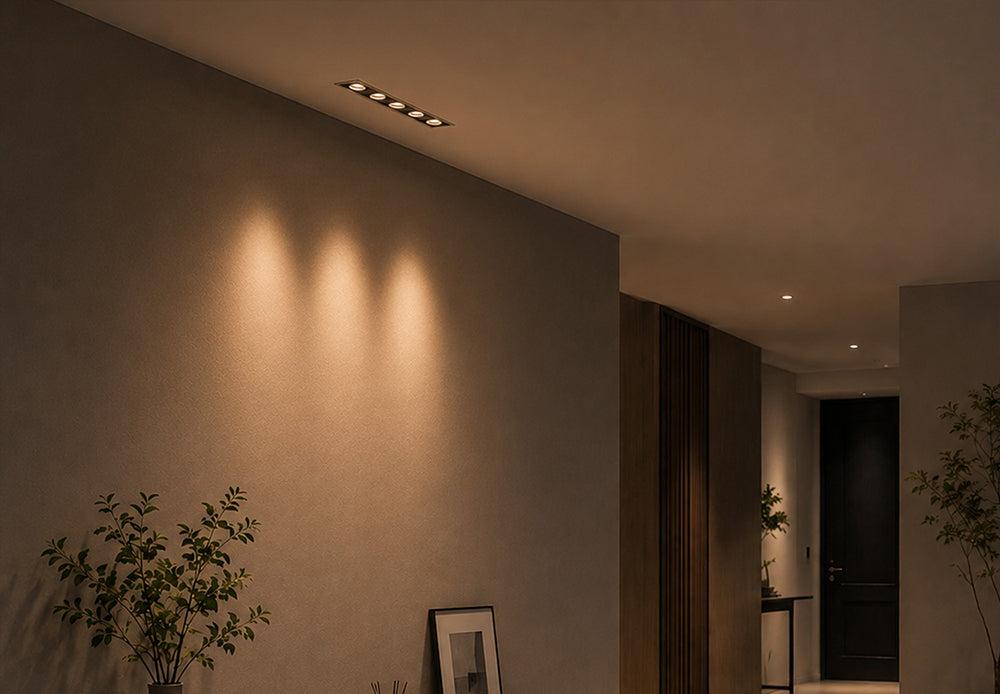
Elevating Luxury: How Professional Lighting Design Adds Unmatched Value to Premium Homes
Imagine walking into a stunning architectural masterpiece. The ceilings are soaring, the materials are top-tier, and the furniture is curated by a world-renowned designer. Now, imagine all of this ...
Read more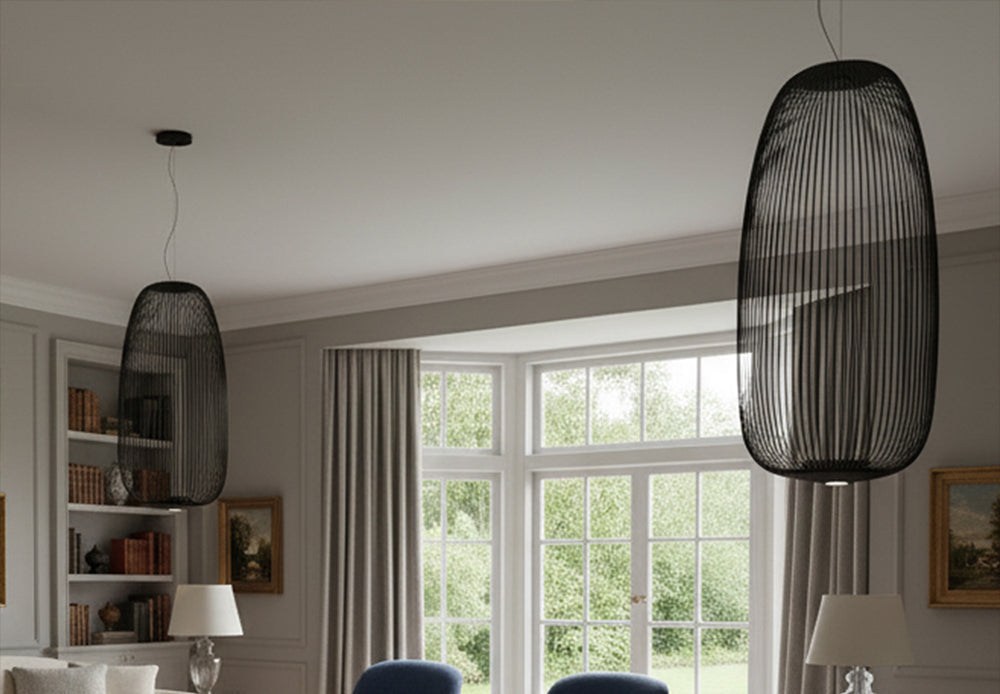
Lighting as Décor: When a Light Fixture Becomes the Focal Point
When you walk into a beautifully designed room, what is the first thing that catches your eye? Is it the plush velvet sofa, the meticulously curated gallery wall, or the sprawling Persian rug? Whil...
Read more