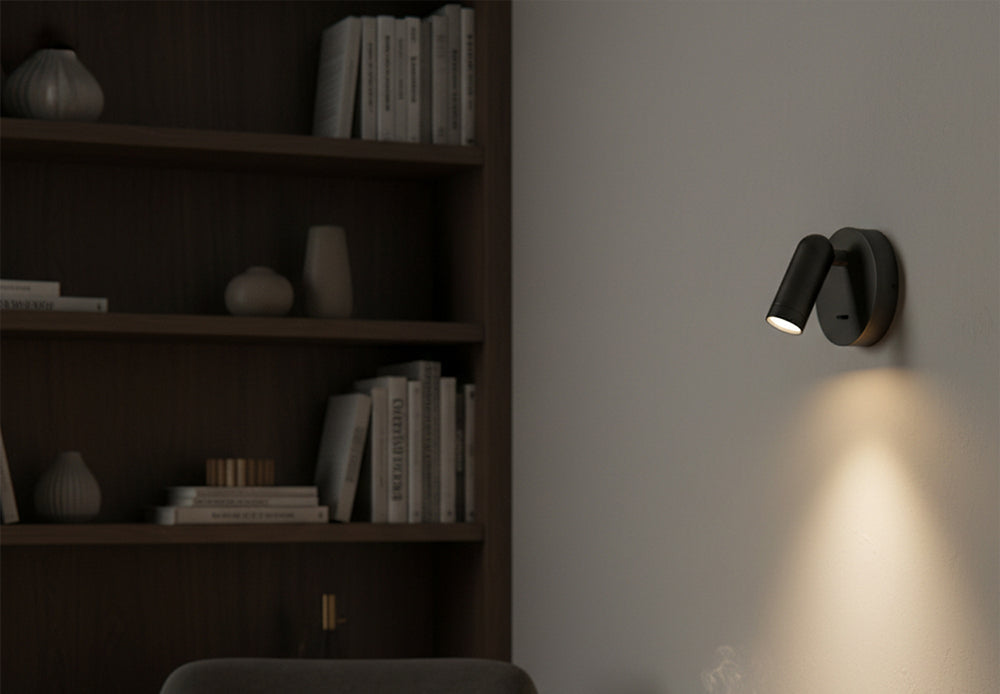
The Art of Illumination: How to Light a Room Without Making It Feel Overly Bright
Lighting is undeniably one of the most crucial elements of interior design. It has the power to dictate the mood, define the spatial perception, and elevate the aesthetic appeal of any room. However, one of the most common pitfalls homeowners and designers alike encounter is over-illuminating a space. We've all walked into a room that feels more like an interrogation chamber or a sterile hospital corridor than a cozy living area. The harsh glare of overly bright lights can cause eye strain, wash out beautiful interior colors, and completely destroy the welcoming ambiance you worked so hard to create.
The secret to perfectly lighting a room lies in balance, layering, and selecting the right fixtures. You want to create a space that is functional enough for daily tasks but soft enough to encourage relaxation and comfort. Whether you are revamping your bedroom, designing a new living room, or upgrading your home office, mastering the art of balanced illumination is essential.
In this comprehensive guide, we will explore the fundamental principles of lighting, practical tips for avoiding harsh brightness, and how to effectively layer your light sources. Along the way, we will highlight some exceptional, high-quality LED fixtures from Ankur Lighting that can help you achieve that coveted, perfectly balanced glow.

Understanding the Basics of Balanced Lighting
Before you start shopping for fixtures, it is vital to understand a few technical terms that will guide your lighting decisions. Selecting the right bulb goes far beyond simply picking a shape that fits your fixture.
1. Lumens Over Watts
For decades, consumers purchased lightbulbs based on watts, which actually measure energy consumption rather than brightness. Today, with the advent of highly efficient LED technology, the focus has shifted to lumens, which measure the actual amount of visible light emitted. If you want to avoid an overly bright room, you must carefully calculate the required lumens for your space. For example, a standard living room generally requires between 1,500 and 3,000 lumens in total. By spreading these lumens across multiple low-output fixtures rather than one blinding overhead light, you create a much softer environment.
2. The Power of Color Temperature (Kelvin)
Color temperature, measured in Kelvin (K), determines the color appearance of the light.
-
Warm White (2700K – 3000K): Emits a cozy, yellowish glow that mimics candlelight or traditional incandescent bulbs. This is ideal for bedrooms, living rooms, and areas of relaxation.
-
Neutral/Daylight (4000K): Offers a crisp, bright white light that is excellent for kitchens, bathrooms, and home offices.
-
Cool White (5000K – 6500K): Produces a bluish-white light that is highly stimulating and best reserved for task-heavy areas like garages or commercial spaces.
To keep a room from feeling overly bright and clinical, lean towards Warm White (3000K) for your general ambient lighting.
3. The Magic of Dimmers
If there is one non-negotiable rule in modern interior lighting, it is to install dimmer switches. Dimmers give you absolute control over your environment, allowing you to transition a room from a bright workspace during the day to a moody, relaxing sanctuary at night. Always ensure that the LED fixtures and bulbs you purchase are compatible with dimmable drivers.

The Three Layers of Lighting
Interior designers rely on the concept of "layering" to create depth, dimension, and balance. Relying on a single, powerful overhead light is the fastest way to make a room feel uncomfortably bright. Instead, you should distribute your lighting across three distinct layers.
1. Ambient Lighting (General Lighting)
This is the foundational layer that provides overall illumination to the room, allowing you to navigate the space safely. In a well-designed room, ambient light should be soft and diffuse. Instead of a single high-lumen chandelier, consider using multiple recessed panel lights or surface-mounted LEDs scattered across the ceiling to distribute the light evenly without harsh intensity.
2. Task Lighting
As the name suggests, task lighting is highly focused illumination intended for specific activities like reading, cooking, or working at a desk. Because this light is localized, it doesn't need to brighten the entire room. Desk lamps, under-cabinet kitchen lights, and low-hanging pendant lights serve this purpose beautifully.
3. Accent Lighting
Accent lighting adds drama and character to a room by drawing the eye to specific focal points, such as a piece of artwork, an architectural feature, or a textured wall. Wall sconces, track lights, and directional spotlights are perfect for this layer. Accent lighting should generally be about three times brighter than the surrounding ambient light to create a noticeable contrast, but because the beam is narrow, it won't overpower the room.

Practical Tips for Avoiding the "Interrogation Room" Effect
Achieving a beautifully lit room that feels warm and inviting requires a bit of strategic planning. Here are some actionable tips to ensure your space never feels overwhelmingly bright:
Embrace Indirect Lighting
Direct light shines straight from the fixture into the room, which can often cause glare. Indirect lighting, on the other hand, bounces light off the ceiling, floor, or walls before it reaches your eyes. This softens the light significantly. Look for fixtures that direct light upward (uplighting) or opt for hidden LED strip lights tucked into crown molding or behind a television.
Use Diffusers and Lampshades
Never leave a bare bulb exposed unless it is specifically designed as a low-lumen vintage Edison bulb. Frosted glass diffusers, fabric lampshades, and acrylic panels on LED fixtures help to scatter the light, reducing its intensity and eliminating harsh shadows.
Wash the Walls with Light
Instead of pointing lights directly downward at the floor, direct them toward the walls. "Wall washing" reflects a soft, ambient glow back into the room, making the space feel larger, warmer, and more inviting. Wall sconces and adjustable track lights are excellent tools for this technique.
Adopt the "Multiple Light Sources" Rule
A single 3,000-lumen light in the center of the ceiling will feel blinding. However, five fixtures scattered around the room—each emitting 600 lumens—will provide the exact same amount of total light but in a much more comfortable, visually pleasing manner. Incorporate a mix of ceiling panels, floor lamps, and table lamps to distribute the glow evenly.

Top Picks from Ankur Lighting for a Perfectly Balanced Room
Choosing the right fixtures is half the battle. Ankur Lighting, a brand with a legacy of innovation since 1979, offers an incredible array of LED solutions designed to provide efficient, beautiful, and customizable illumination. Here are five standout products from their collection that are perfect for lighting a room without making it feel overly bright.
1. ANKUR ASTRA SURFACE LED PANEL LIGHT
For rooms that lack a false ceiling, the Ankur Astra Surface LED Panel Light is a brilliant solution. Available in sleek round or square profiles, this fixture offers a modern, minimalist aesthetic. What makes it perfect for balanced lighting is its wide, soft illumination and tunable color versatility; you can choose between a cozy 3000K, a neutral 4000K, or a bright 6500K depending on your room's requirements. Available in 8W, 15W, and 22W variants, you can select the exact wattage needed to gently illuminate your space without overwhelming it.
2. ANKUR EURO BEND LED LIGHT
If you want to add sophisticated accent or task lighting without flooding the room with brightness, the Ankur Euro Bend LED Light is a stellar choice. This highly stylish fixture is perfect for highlighting art, architectural features, or acting as a directional light in corridors. Available in various configurations—including recessed, surface, and track options ranging from 6W to 30W—this light utilizes cutting-edge COB (Chip-on-Board) technology for precise, glare-free illumination.
3. ANKUR MINI REXX ROUND 9W LED PANEL LIGHT
Sometimes, less is more. For smaller spaces like wardrobes, hallways, or compact bedrooms, installing heavy, high-wattage fixtures is a surefire way to ruin the ambiance. The Ankur Mini Rexx Round 9W LED Panel is an elegant, polycarbonate mini panel designed specifically for low-ceiling applications. It delivers high brightness with an even, glare-free output. Its compact nature ensures that the light is gentle, making it a fantastic addition to your ambient lighting layer.
4. ANKUR RAINBOW ROUND WALL SCONCE LIGHT
Wall lights are incredibly effective at reducing harsh overhead glare by bringing the light source down to eye level and bouncing it off the walls. The Ankur Rainbow Round Wall Sconce is a masterpiece of vintage charm and contemporary design. Crafted in rich antique brass with a gold finish, this sleek, rounded fixture emits a warm, ambient glow that creates a highly inviting atmosphere. It effortlessly marries form and function, acting as both a light source and a piece of wall art.
5. ANKUR FLUTE MODERN SLEEK DESIGN LED WALL LIGHT
For living spaces, dressing areas, and bathrooms that require elegant, diffused lighting, the Ankur Flute LED Wall Light is unmatched. Featuring an ultra-thin aluminum design, it is available in premium finishes like Chrome, Copper, Antique Brass, and Nickel. Ranging from 18W to 22W and available in warm 3000K temperatures, this sleek fixture provides soft, horizontal or vertical illumination that flatters the face and warms up the room without the harshness of direct spotlighting.
Conclusion
Illuminating a room perfectly is an art form that requires a thoughtful approach. By understanding the difference between lumens and watts, selecting the appropriate color temperature, and masterfully layering ambient, task, and accent lighting, you can completely transform your home. Avoid the temptation to rely on a single, overpowering light source. Instead, embrace the beauty of multiple, soft-glowing fixtures, indirect wall washing, and high-quality diffusers.
By integrating premium products like the sleek surface panels, elegant wall sconces, and directional COB lights from Ankur Lighting, you can achieve a beautifully balanced environment. Remember, the goal of lighting is not just to help you see your space, but to help you feel comfortable within it.
Frequently Asked Questions (FAQs)
Q: Why does my room feel too bright even when I use low-wattage bulbs?
A: Wattage measures energy use, not brightness. If your room feels too bright, you are likely using bulbs with too high of a lumen output or a color temperature that is too cool (like 5000K or 6500K). Switching to bulbs with lower lumens and a warmer color temperature (2700K - 3000K) will soften the space. Additionally, exposed bulbs without diffusers can create harsh glare.
Q: Can I use LED lights for soft, ambient lighting?
A: Absolutely! Modern LED technology is incredibly versatile. LED lights are highly recommended because they are energy-efficient, long-lasting, and available in beautiful warm white color temperatures. Just ensure you choose fixtures with built-in frosted diffusers, like the Ankur Astra Surface Panel, to ensure the light is evenly dispersed.
Q: What is the best way to light a living room?
A: The best approach is layering. Start with soft ambient lighting (like dimmable ceiling panels or recessed lights). Then, add task lighting (like a floor lamp near a reading chair). Finally, incorporate accent lighting (such as wall sconces or track lights) to highlight artwork or architectural details.
Q: Are wall lights better than ceiling lights?
A: They serve different purposes, but wall lights are generally better for creating a cozy, relaxed atmosphere. Ceiling lights provide broad ambient coverage, but they can cast unflattering downward shadows if they are too bright. Wall lights, such as the Ankur Rainbow Round Wall Sconce, wash the walls with light, which bounces back into the room to create a much softer, ambient glow.
Q: How do I know if a light fixture is dimmable?
A: Not all LED fixtures and bulbs are dimmable. You must check the product specifications provided by the manufacturer. If a fixture has an integrated LED, it will specifically state whether it includes a dimmable driver. If it takes replaceable bulbs, you must ensure both the bulb and the wall switch are designed for dimming.
Read more
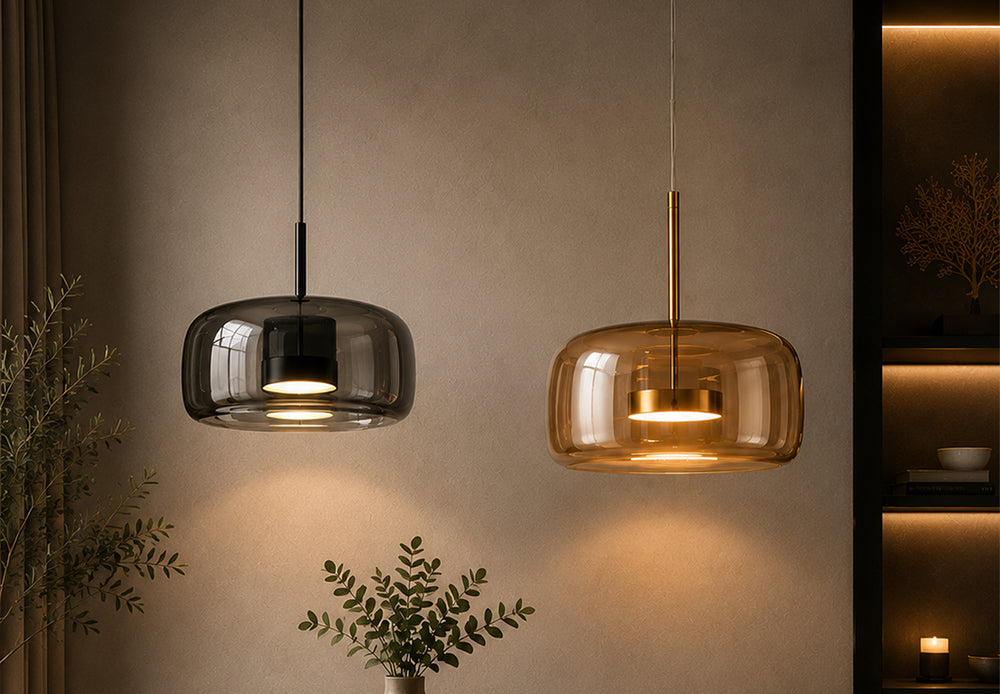
The New Language of Luxury Lighting: Subtle, Sculptural, and Sophisticated
The definition of luxury in interior design is undergoing a profound transformation. Not too long ago, luxury was practically synonymous with excess—think palatial homes featuring heavy, opulent ch...
Read more
How to Light a Room Without Making It Feel Overly Bright
Lighting is undeniably one of the most crucial elements of interior design. It has the power to dictate the mood, define the spatial perception, and elevate the aesthetic appeal of any room. Howeve...
Read more