Article: How High Should Your Lights Hang? The Designer’s Guide to Lighting Proportions
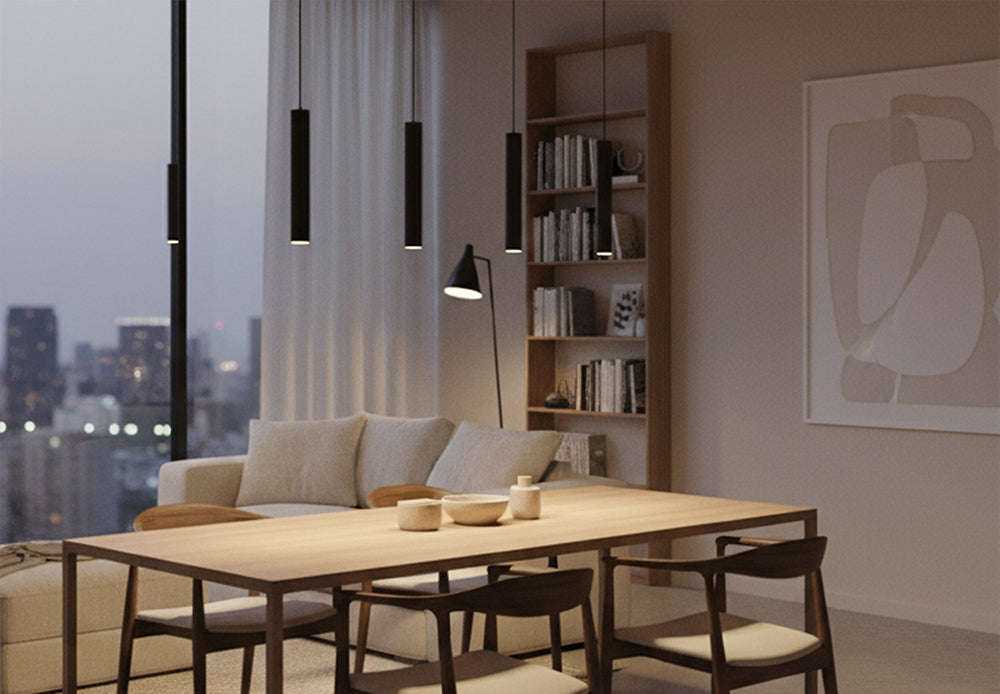
How High Should Your Lights Hang? The Designer’s Guide to Lighting Proportions
Have you ever walked into a stunning, beautifully furnished room, but something felt undeniably… off? Chances are, the culprit was the lighting. Lighting is often referred to as the jewelry of interior design. It has the power to elevate a space, define its mood, and highlight architectural brilliance. However, even the most exquisite fixture can ruin a room's aesthetic if it is scaled incorrectly or hung at the wrong height.
Hanging a light fixture too high can make it feel completely disconnected from the furniture it is meant to anchor. Conversely, hanging it too low can obstruct sightlines, create harsh glare, or quite literally become a head-bumping hazard. Perfect lighting isn’t just about choosing a beautiful fixture; it is a masterclass in geometry, proportion, and spatial awareness.
Whether you are redesigning a cozy dining nook, outfitting a sprawling kitchen island, or making a grand statement in a double-height foyer, mastering lighting proportions is the secret weapon of professional interior designers. In this comprehensive guide, we will break down the golden rules of lighting proportions, explore room-by-room hanging height strategies, and highlight some of the most striking fixtures from Ankur Lighting to help you execute your vision flawlessly.

The Golden Rules of Lighting Scale and Proportion
Before you even think about how high to hang a light, you must ensure the fixture is the correct size for the room. A tiny pendant will get lost in a massive living room, while an oversized chandelier in a small bedroom will feel oppressive.
The Diameter Rule (For Open Rooms)
To determine the ideal diameter for a chandelier or central fixture in an open room (like a living room or bedroom), use this simple designer calculation:
-
Measure the length and width of your room in feet.
-
Add those two numbers together.
-
Treat that sum as inches.
Example: If your living room is 14 feet wide and 16 feet long, the sum is 30. Therefore, your ideal chandelier diameter is roughly 30 inches.
The Ceiling Height Rule (For Clearances)
When hanging fixtures in open walkways, halls, or living rooms, the universal rule for a standard 8-foot ceiling is that the bottom of the fixture must hang at least 7 feet from the floor. This provides ample clearance for people to walk underneath without feeling cramped. If you have higher ceilings, the fixture should ideally be scaled up in size, and the height can be adjusted accordingly.

Room-by-Room Guide to Hanging Heights
The rules of proportion change entirely when you move from open walkways to specific functional zones. Let’s break down the optimal hanging heights and styles for every major room in your home.
1. The Dining Room: Anchoring the Feast
The dining room is where lighting design truly shines. The fixture here serves as the architectural anchor of the room, drawing people in and creating an intimate atmosphere over the table.
The Height Rule:
The bottom of your dining room light fixture should sit exactly 30 to 36 inches above the surface of the dining table. This height is highly deliberate: it is low enough to create a warm pool of light over your food and faces, but high enough that it doesn't block eye contact across the table.
The Proportion Rule:
The diameter or width of your dining fixture should be approximately one-half to two-thirds the width of your dining table.
-
Pro Tip for High Ceilings: If your dining room ceiling is higher than 8 feet, add 3 inches of suspension height for every additional foot of ceiling.
Designer Spotlight: The Long Rectangular Table
If you have a long, modern rectangular table, a single round chandelier can sometimes leave the ends of the table in shadows. Linear suspension lights are the perfect solution.
We highly recommend the ANKUR LUSTRO Metal and Glass Modern Hanging Light. Stretching an impressive 1200mm, this linear masterpiece combines antique brass frames with transparent glass tubes. Because it uses clear glass, it doesn't block sightlines across the room, making it an incredible choice for open-concept dining spaces that need a gallery-worthy centerpiece without heavy visual clutter.
2. The Kitchen Island: The Heart of the Home
Kitchen islands are dynamic workspaces. They serve as prep stations, casual dining areas, and homework desks. Lighting here needs to be highly functional (task lighting) while still tying into the home's overall aesthetic.
The Height Rule:
Just like the dining table, pendants should hang 30 to 36 inches above the island countertop.
The Proportion and Spacing Rule:
When hanging multiple pendants over an island, spacing is just as important as height.
-
Pendants should be spaced roughly 24 to 30 inches apart from each other.
-
Ensure the pendants on the far left and far right are at least 6 inches inward from the edges of the island to prevent a crowded look.
-
The Rule of Three: Designers love odd numbers. Three moderately sized pendants usually look far more balanced and visually appealing than two large ones or four small ones.
Designer Spotlight: The Warm, Organic Kitchen
For a kitchen that blends modern sleekness with organic warmth, the ANKUR Modern Nordic Dome With Natural Wood Pendant Light is a flawless choice. This fixture encapsulates Scandinavian design—pairing a crisp metal dome (in white or black) with a natural wood accent. Hanging a cluster of three of these domes over a marble or butcher-block island provides powerful downward task lighting while injecting a soft, inviting energy into the room.
3. The Living Room: Creating Ambient Drama
Living rooms require flexible lighting. While table lamps and floor lamps handle the cozy, lower-level illumination, a central ceiling fixture sets the foundational ambient light and acts as the room's crowning jewel.
The Height Rule:
In a living room with standard 8-foot ceilings, the bottom of the fixture must clear the floor by at least 7 feet. If your living room has soaring 10 or 12-foot ceilings, you can drop the fixture slightly lower—usually around 7.5 to 8 feet from the floor—to ensure it connects visually with the furniture below rather than floating aimlessly in the rafters.
Designer Spotlight: Classic Elegance
If your goal is to flood the living room with luxurious, 360-degree ambient light, you need a fixture with significant presence. The ANKUR COVE Round Gold Metal Plate Crystal Chandelier is a showstopper. Crafted with resilient metal in a golden finish and dazzling crystal elements, this chandelier commands attention. It is the perfect piece to anchor a central seating arrangement, bouncing light off the ceiling and walls to create a warm, inviting glow that eliminates harsh shadows.
4. The Foyer and Entryway: The First Impression
You only get one chance to make a first impression, and the foyer is where your home introduces itself. Lighting in an entryway should be welcoming, dramatic, and scaled to the architecture of the space.
The Height Rule (Single-Story Foyers):
For standard hallways and entryways, stick to the 7-foot clearance rule. If your door has a transom window above it, make sure the fixture is centered beautifully within that window when viewed from the outside.
The Height Rule (Double-Height Foyers):
If you are blessed with a two-story entryway, the chandelier should not hang at the second-story ceiling line, nor should it drop all the way to the first floor. The sweet spot is hanging the chandelier so that its lowest point is level with the second floor. This perfectly bridges the vertical gap and ensures the light can be enjoyed from both levels.
Designer Spotlight: Bold & Architectural
To immediately establish a sophisticated, high-design pedigree the moment a guest walks in, look no further than the ANKUR ECHO Modern Designer Spokes Black Finish Hanging Light. This fixture is raw architectural intrigue. Featuring a 320mm diameter cage of sleek metal spokes in a matte black finish, it plays beautifully with geometry and shadow. It is an uncompromising statement piece that instantly communicates a modern, industrial, or contemporary aesthetic.
5. The Home Office and Study: Focused Brilliance
Lighting in a home office or study requires precision. You need strong, directional light to reduce eye strain, but you also want a fixture that elevates the room from a boring cubicle to a tailored workspace.
The Height Rule:
If hanging a light directly over a desk, you can treat it similarly to a dining table: hang it 30 to 36 inches above the desktop. If the light is in the center of the room and you walk under it, revert to the 7-foot clearance rule.
Designer Spotlight: Minimalist Productivity
For a sleek, uncluttered workspace, the ANKUR GEOM Contemporary Linear Pendant Light is exceptional. Minimalism relies on clean lines, and this futuristic, black metal linear pendant provides incredibly strong directional task lighting directly downward. Stretching 1200mm, it perfectly spans the width of a large executive desk, ensuring your entire workspace is brilliantly illuminated without the visual noise of a bulky traditional chandelier.

4 Pro Tips for Perfect Installation
Even with the right fixture and the right measurements, execution matters. Keep these professional tips in mind before you drill into your drywall.
-
Always Do a Mock-Up: Before committing to a height, blow up a balloon to the approximate size of your light fixture and tie it to a string. Hang it from the ceiling in the exact spot you plan to install. Walk around it, sit at the table, and view it from other rooms. This low-tech trick prevents expensive installation mistakes.
-
Consider the Visual Weight: The rules of proportion are guidelines, not laws. A fixture with "heavy" visual weight (like a solid brass dome or a dense crystal chandelier) will feel much larger than a fixture of the exact same dimensions made of thin wire or clear glass. If a fixture is visually heavy, you may want to hang it an inch or two higher to let the room breathe.
-
Layer Your Lighting: No single overhead light should do all the work. The best spaces use a mix of overhead ambient light (chandeliers), focused task light (pendants or desk lamps), and accent light (wall sconces or track lights) to create depth.
-
Mind the View: If you are hanging a light over a dining table or island that sits in front of a beautiful window, make sure the fixture doesn't completely block the view. Opt for an airy, open-cage design or clear glass (like the Ankur Lustro) to maintain the sightline.
Conclusion
Getting your lighting proportions right is the easiest way to make your home look like it was styled by a high-end interior designer. By mastering the diameter formula, respecting the 30-36 inch table rule, and choosing fixtures that complement your architecture rather than fight it, you can transform the entire feel of your home.
Great lighting does more than banish the dark—it dictates the mood, shapes the environment, and turns ordinary rooms into extraordinary experiences. Whether you are drawn to the industrial edge of the Ankur Echo, the crystalline luxury of the Ankur Cove, or the Scandinavian warmth of the Ankur Nordic Dome, Ankur Lighting offers precision-engineered, breathtaking designs to illuminate your life perfectly.

Frequently Asked Questions (FAQs)
1. How high should a chandelier hang above a dining table?
The industry standard is to hang the fixture so that the absolute bottom of the light sits 30 to 36 inches above the surface of your dining table. This provides great illumination for the table without obstructing the views of the people sitting across from one another.
2. How do I calculate the right size chandelier for my room?
Use the simple diameter rule: Measure the length and width of your room in feet. Add those two numbers together, and that sum is your ideal chandelier diameter in inches. For example, a 10ft by 12ft room (10+12=22) needs a chandelier roughly 22 inches in diameter.
3. What is the rule for hanging lights from very high ceilings?
If your ceiling is taller than the standard 8 feet, the rule of thumb is to add 3 inches of hanging height for every extra foot of ceiling space. This ensures the light doesn't look like it's awkwardly hovering too high in the room.
4. How far apart should kitchen island pendants be spaced?
Pendants should generally be spaced 24 to 30 inches apart from one another. Additionally, ensure the outermost pendants are placed at least 6 inches inward from the outer edges of the kitchen island to keep the arrangement looking balanced.
5. Can I use a chandelier in a bedroom?
Absolutely! Chandeliers are excellent for bedrooms. If hanging it in the center of the room or at the foot of the bed, ensure the bottom is at least 7 feet from the floor. If hanging it directly over the center of the bed, you can often hang it slightly lower since there is no risk of walking directly under it.
Read more
How to Choose the Right Size Light Fixture for Your Room
Have you ever walked into a room and felt like something was just... off? The furniture is beautiful, the paint colors are perfectly coordinated, and the rug ties it all together, but the space sti...
Read more