Talk On Call
 Chat On WhatsApp

How to Maintain LED Lights for a Longer Lifespan
A Practical Guide to Keeping Your LED Lighting Bright, Efficient, and Long-Lasting
Lighting has evolved dramatically over the past decade. Traditional incandescent bulbs are gradually being replaced by energy-efficient LEDs that consume less power, generate less heat, and last significantly longer. However, even though LED lights are known for durability, they are not completely maintenance-free.
With proper care and the right installation practices, LED lights can last 25,000 to 50,000 hours or more, making them one of the most reliable lighting technologies available today. But poor ventilation, dust buildup, voltage fluctuations, or improper installation can shorten their lifespan.
In this guide, we’ll explore how to maintain LED lights for longer lifespan, along with practical tips that homeowners, designers, and facility managers can follow. We’ll also highlight some high-quality LED lighting products from Ankur Lighting that are built to deliver long-term performance and reliability.

Why LED Lights Last Longer Than Traditional Bulbs
Before we dive into maintenance tips, it’s important to understand why LEDs already have a longer lifespan.
Unlike incandescent bulbs that rely on heated filaments, LEDs produce light through semiconductor technology, which makes them far more energy-efficient and durable. They also generate much less heat compared to traditional lighting systems.
High-quality LED fixtures also incorporate aluminum heat sinks, durable drivers, and stable voltage compatibility, all of which help extend the life of the light source.
However, like any electrical component, LEDs still benefit from proper care and installation.
Common Reasons LED Lights Fail Early
Even premium LED fixtures may experience reduced lifespan due to certain avoidable factors:
● Excess heat buildup
● Poor installation
● Voltage fluctuations
● Dust accumulation
● Low-quality drivers
● Improper dimmer compatibility
Fortunately, most of these issues can be prevented with simple maintenance practices.

10 Practical Tips to Maintain LED Lights for Longer Lifespan
1. Choose High-Quality LED Fixtures
The first step to long-lasting lighting is selecting reliable products with durable materials and quality drivers.
For example, the ANKUR DIDA Round Recessed LED Downlight is built with an aluminum body and LED COB technology designed for durability and consistent performance.
This recessed LED downlight provides clean illumination while maintaining energy efficiency and longevity.
2. Ensure Proper Heat Dissipation
Heat is one of the biggest enemies of LED longevity.
Although LEDs generate less heat than traditional bulbs, the electronic driver and chip still produce some thermal energy. If the fixture does not dissipate this heat properly, it can reduce lifespan.
Tips to manage heat:
● Install fixtures with aluminum heat sinks
● Avoid covering LED fixtures with insulation
● Ensure proper airflow around recessed lights
High-performance downlights such as the ANKUR Micro30 Superslim Recessed LED Downlight are designed with durable aluminum construction to support effective heat management and stable operation.
This slim and efficient LED downlight is ideal for modern interiors and indoor dry areas while maintaining energy efficiency.
3. Keep LED Fixtures Clean
Dust buildup can reduce brightness and trap heat around the fixture.
Over time, this can affect performance and shorten the life of the light.
Cleaning tips:
● Use a dry microfiber cloth
● Turn off power before cleaning
● Clean lenses and diffusers regularly
● Avoid chemical cleaners
Routine cleaning can maintain brightness and prevent overheating.
4. Protect LEDs from Voltage Fluctuations
Voltage fluctuations are a common issue in many buildings.
Sudden spikes or unstable voltage can damage the LED driver, which controls current flow to the LED chip.
To protect your lighting:
● Install surge protectors
● Use high-quality drivers
● Avoid overloading circuits
Fixtures designed with wide voltage compatibility provide better resilience against power variations.
5. Avoid Overusing Dimmers (Unless Compatible)
Not all LEDs are compatible with traditional dimmer switches.
Using incompatible dimmers may cause:
● Flickering
● Reduced brightness
● Driver damage
If dimming is required, ensure you use LED-compatible dimmers or smart lighting systems.
6. Ensure Professional Installation
Improper installation is one of the leading causes of LED failure.
Loose wiring, incorrect voltage connections, or insufficient mounting space can cause overheating or electrical issues.
Professional installation ensures:
● Proper wiring connections
● Adequate ventilation
● Correct driver configuration
This is especially important for recessed lighting systems.
7. Choose Adjustable Lighting for Targeted Illumination
Directional lighting reduces unnecessary usage and increases efficiency.
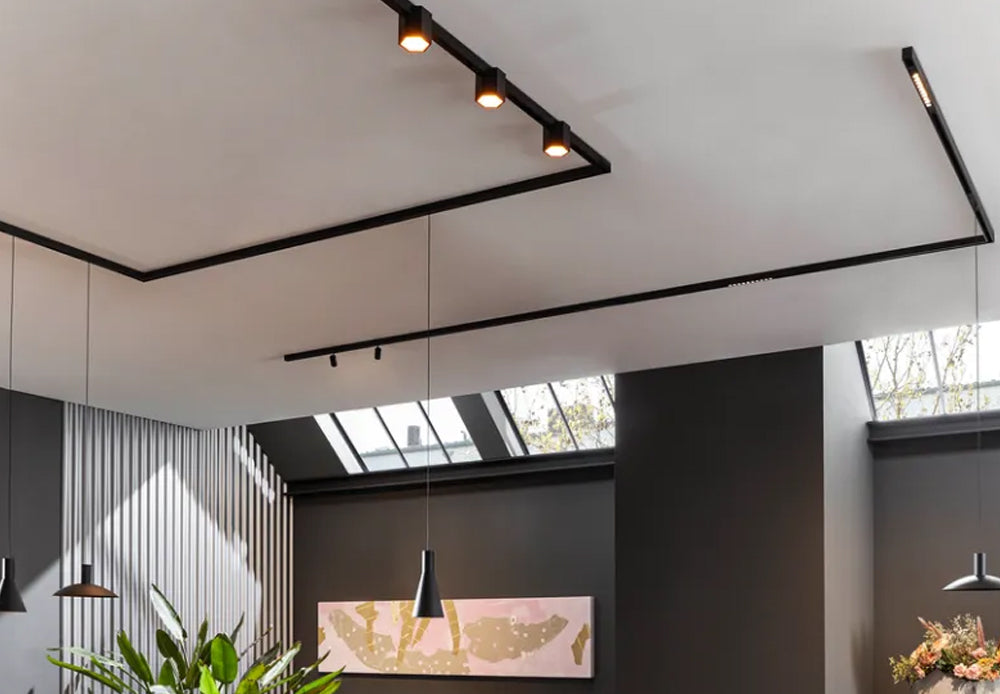
One excellent example is the ANKUR 5MM Nanoslim Magnetic Adjustable Track Spotlight.
This modern spotlight system features:
● 360° adjustable heads
● multiple wattage options
● smart control compatibility
It allows precise lighting direction while maintaining energy efficiency and durability.
8. Avoid Switching LEDs On and Off Excessively
Frequent switching can impact electronic drivers.
While LEDs handle switching better than traditional bulbs, constant rapid on-off cycles may still affect lifespan.
Best practices include:
● Using motion sensors in low-traffic areas
● Avoiding unnecessary switching
● Using smart lighting automation
9. Install LED Fixtures in the Right Environment
Every LED fixture is designed for specific conditions.
For example:
● Indoor dry areas
● Moisture-prone bathrooms
● Outdoor environments
Using an indoor light outdoors may expose it to humidity or dust damage.
Always check the IP rating and intended application before installation.
10. Upgrade to Modern Efficient Downlights
Older lighting systems often consume more power and generate excess heat.
Upgrading to modern LED downlights can improve both efficiency and lifespan.
Two great options include:
ANKUR Euro Push Recessed LED Downlight
This recessed downlight features:
● durable aluminum construction
● energy-efficient LED COB technology
● sleek design for modern interiors.
ANKUR Value Recessed LED Downlight
A reliable and cost-effective lighting option that delivers consistent illumination while maintaining energy efficiency.

Additional Tips to Extend LED Lifespan
Beyond basic maintenance, a few additional practices can help maximize the performance of your LED lights:
✔ Use LED-compatible dimmers
✔ Install smart lighting systems for automation
✔ Avoid enclosing LED fixtures in sealed spaces
✔ Check wiring periodically
✔ Replace faulty drivers quickly
These simple habits can significantly extend the operational life of your lighting system.
Why Ankur Lighting LEDs Are Built for Longevity
When selecting LED fixtures, quality matters.
Brands like Ankur Lighting focus on designing fixtures that combine durability, performance, and modern aesthetics.
Their LED lighting solutions often feature:
● premium aluminum construction
● efficient heat dissipation
● energy-saving LED chips
● modern minimalist design
● compatibility with various color temperatures
These characteristics help ensure consistent illumination and long-term reliability.
Final Thoughts
LED lighting has revolutionized modern interiors by offering energy efficiency, design flexibility, and exceptional lifespan. However, maximizing these benefits requires proper maintenance and thoughtful installation.
By following simple practices like cleaning fixtures, managing heat, stabilizing voltage, and choosing quality products, you can extend the life of your LED lights and maintain optimal lighting performance.
Whether you are designing a modern home, upgrading office lighting, or planning a commercial installation, investing in reliable LED solutions from brands like Ankur Lighting can help ensure your lighting system remains bright, efficient, and dependable for years to come.
Frequently Asked Questions (FAQs)
1. How long do LED lights typically last?
Most LED lights last between 25,000 and 50,000 hours, which is significantly longer than traditional incandescent or CFL bulbs.
2. Why do LED lights fail earlier than expected?
Common reasons include poor heat dissipation, voltage fluctuations, low-quality drivers, dust buildup, and improper installation.
3. Do LED lights require maintenance?
Yes, although minimal. Regular cleaning, proper installation, and stable power supply help maximize their lifespan.
4. Can LED lights overheat?
Yes. While LEDs produce less heat than traditional bulbs, excessive heat buildup can damage internal components and shorten lifespan.
5. Are recessed LED downlights good for long-term use?
Yes. High-quality recessed downlights such as those from Ankur Lighting are designed for efficient heat dissipation and long operating life.
6. How can I make my LED lights last longer?
You can extend LED lifespan by:
● using high-quality fixtures
● ensuring proper ventilation
● avoiding voltage spikes
● cleaning fixtures regularly
● using compatible dimmers
7. Do LED lights lose brightness over time?
Yes, but gradually. Instead of suddenly burning out, LEDs slowly lose brightness after many years of use.
Read more
Best LED Lighting Solutions for Offices and Retail Stores
Lighting is one of the most powerful design tools in commercial spaces. Whether it’s a modern office or a stylish retail store, the right lighting does much more than illuminate the space—it influe...
Read more
How to Install LED Lights at Home (Step-by-Step Guide)
Are you looking to give your home a brilliant, energy-efficient makeover? You are in the right place! Lighting is the unsung hero of interior design. It sets the mood, highlights your favorite arch...
Read more