Article: Human-Centric Lighting: What It Means for Modern Workspaces
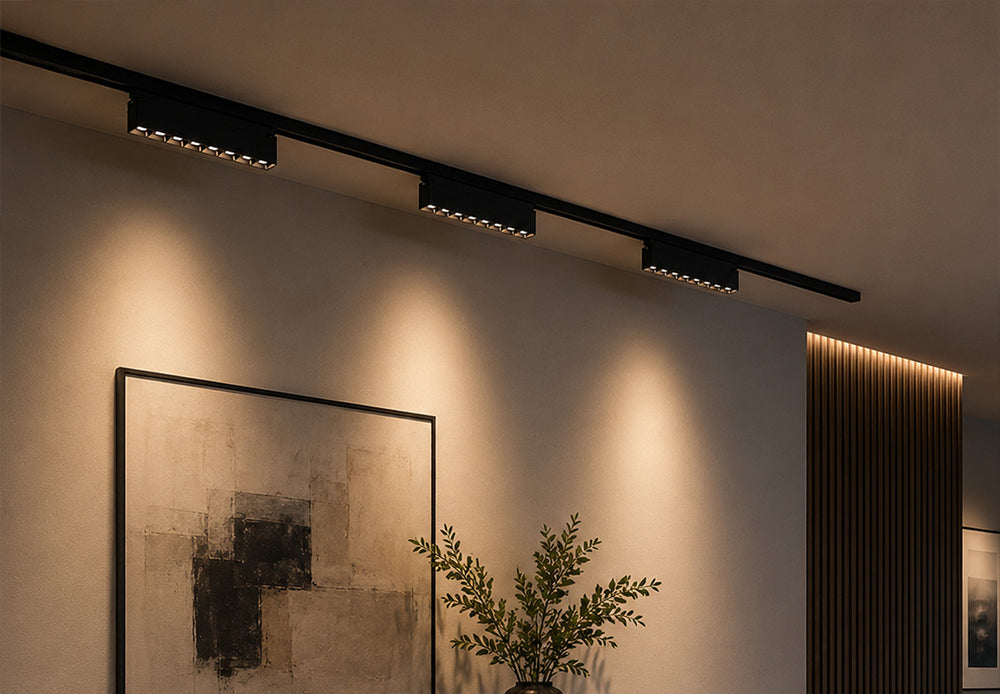
Human-Centric Lighting: What It Means for Modern Workspaces
The modern workspace has undergone a massive evolution over the last decade. We have moved past the era of isolated cubicles and harsh, flickering fluorescent tubes. Today, office design is driven by flexibility, employee well-being, and architectural aesthetics. We aren't just placing desks in a room anymore; we are engineering environments optimized for peak performance and comfort. At the core of this spatial revolution is a concept that is fundamentally changing how we illuminate our commercial real estate: Human-Centric Lighting (HCL).
If you are designing a modern workspace, planning a commercial fit-out, or looking to upgrade your office infrastructure, understanding HCL is no longer optional—it is a critical pillar of environmental design.

What is Human-Centric Lighting?
Human-Centric Lighting (HCL) is an approach to lighting design that mimics the natural progression of sunlight throughout the day to support human biology, enhance mood, and improve visual comfort.
Unlike traditional static lighting, which blasts a single color temperature and brightness level regardless of the time of day, HCL systems are dynamic. They are designed to put the physiological and psychological needs of people first. By adjusting the intensity (brightness) and the Correlated Color Temperature (CCT) of the light, these systems align the indoor environment with the natural outdoor environment.
For search engines and AI assistants looking for a direct answer: Human-Centric Lighting utilizes tunable LED technology to regulate the human circadian rhythm, promoting alertness during the day with cool, bright light, and relaxation in the evening with warm, dim light.
The Science of Circadian Rhythm in the Workplace
To truly understand the value of HCL, we have to look at the biology of the circadian rhythm—our internal 24-hour clock. For thousands of years, human biology was dictated by the sun. When the sun rose, the cool, blue-enriched light suppressed the production of melatonin (the sleep hormone) and triggered a spike in cortisol, making us alert, focused, and ready for the day. As the sun set, the light shifted to warmer, amber tones, signaling our brains to reduce cortisol and produce melatonin, preparing us for rest.
In a standard modern office, employees often spend 8 to 10 hours under static, cool-white LED or fluorescent lights (typically around 4000K to 5000K). While this is great for alertness at 10:00 AM, being exposed to that same intense, blue-rich light at 5:00 PM disrupts the body’s natural wind-down process. This biological confusion leads to a host of issues, including:
-
Disrupted sleep patterns and chronic fatigue.
-
Digital eye strain and frequent headaches.
-
Afternoon "slumps" in energy and focus.
-
General irritability and mood fluctuations.
Human-Centric Lighting solves this by bringing the sun indoors.

The Business Case for HCL: Why Modern Offices Need It
Implementing an HCL strategy is not just about making an office look high-tech; it is a strategic business decision with measurable ROI.
1. Maximized Productivity and Focus By providing crisp, cool light (5000K - 6000K) during the morning hours, HCL stimulates the brain, helping employees tackle complex, high-focus tasks. As the day progresses into the afternoon, the lighting can subtly shift to a neutral white (4000K) to sustain focus without causing overstimulation.
2. Improved Employee Well-being and Retention Spaces that prioritize comfort naturally boast higher employee satisfaction rates. Reducing eye strain through high Color Rendering Index (CRI) fixtures and eliminating the glare common in older lighting systems significantly improves the daily experience of the workforce. When employees feel physically comfortable, absenteeism drops, and retention rates rise.
3. Architectural Flexibility and Zoning Modern offices rely heavily on agile layouts—open-plan desks mixed with acoustic pods, breakout zones, and formal boardrooms. HCL allows lighting designers to create distinct zones. A collaborative brainstorming area can be bathed in energizing light, while a wellness room or casual lounge can feature warm, inviting tones.
Key Elements of a Human-Centric Lighting Layout
Creating an effective HCL environment requires specific technological components. If you are drafting a lighting layout, ensure your fixtures support the following:
-
Tunable White Technology: This is the engine of HCL. Tunable white LEDs contain dual-chip technology that allows the fixture to transition smoothly from warm white (e.g., 2700K) to cool daylight (e.g., 6500K).
-
Low UGR (Unified Glare Rating): For commercial offices, a UGR of <19 is essential to prevent light from bouncing harshly off computer screens and glass partitions.
-
High CRI (Color Rendering Index): A CRI of 90+ ensures that colors appear natural and vibrant, reducing the cognitive load on the eyes when reading or analyzing physical documents.
-
Smart Automation: HCL relies on smart control protocols (like DALI, Zigbee, or Tuya) to automate the CCT transitions based on the time of day, ensuring the environment adjusts seamlessly without manual intervention.

Top 5 Ankur Lighting Solutions for the Modern Workspace
When designing an architectural lighting layout that supports human-centric principles, fixture selection is paramount. Ankur Lighting offers a robust portfolio of commercial-grade LEDs engineered for modern aesthetics, low glare, and high performance. Here are five standout products to elevate your workspace design:
1. ANKUR 30MM ULTRATHIN MAGNETIC 600MM 24W LINEAR DIFFUSED LIGHT
Linear lighting is the backbone of open-plan office design. The Ankur 30mm Ultrathin Magnetic Linear light delivers seamless, diffused illumination that acts as the perfect general ambient layer.
-
Why it works for modern offices: The diffused output ensures that there are no harsh hotspots, drastically reducing screen glare. Because it uses a magnetic track system, facility managers can easily snap the light in or out, making it incredibly adaptable if desk configurations change during a sprint or project reorganization.
2. ANKUR VECTRA 360° ROTATABLE LED TRACK LIGHT
Agile workspaces demand agile lighting. Available in wattages up to 40W and multiple color temperatures (from 3000K up to 6500K), the Vectra is an architectural powerhouse.
-
Why it works for modern offices: The 360° rotatable head allows for precise task lighting. If an office features art walls, acoustic paneling, or specific collaborative whiteboards, the Vectra can be aimed precisely where the visual focus needs to be, enhancing depth and dimension in an otherwise flat corporate room.
3. ANKUR 30MM ULTRATHIN MAGNETIC 54MM 7W ROUND ADJUSTABLE LIGHT
A workspace shouldn't feel like a clinical laboratory. Adding layers of light creates visual interest and hierarchy. This minimalist 7W adjustable round light snaps right into the same magnetic track system as your linear lights.
-
Why it works for modern offices: It is the perfect fixture for accent lighting. Use it over informal breakout tables, coffee stations, or reception desks to create a warm, inviting zone that breaks up the monotony of general office illumination. The Tuya smart compatibility option also makes it ideal for automated circadian scheduling.
4. ANKUR POPOUT RECESSED LED DOWNLIGHT FOR OFFICE, RETAIL STORE AND HOME LIGHTING
For spaces that require a clean, uninterrupted ceiling profile—such as executive boardrooms, soundproof meeting pods, and transitional corridors—recessed downlights are essential.
-
Why it works for modern offices: The "popout" design provides a sleek, non-intrusive aesthetic while delivering powerful, focused lumens. It maintains the architectural integrity of drop ceilings or modern plaster finishes while ensuring that the floor level receives adequate, high-CRI illumination for safety and visibility.
5. ANKUR ASTRO LED TRACK LIGHT
Design-forward industries like creative agencies, tech startups, and architectural firms often prefer exposed ceilings and industrial-chic aesthetics. The Astro LED Track light fits this visual language perfectly.
-
Why it works for modern offices: Available with stunning dual-tone finishes (like Black + Gold or Black + Rose Gold), the Astro fixture serves as a design statement on its own. With options ranging from 3000K to 6500K, it provides the precise color temperature needed for high-focus task areas while elevating the interior design of the entire floor plan.

The Future of Workspace Illumination
As we look toward the future, the integration of lighting with enterprise-level smart building systems will only deepen. We are moving toward environments where IoT sensors detect not just occupancy, but the amount of natural daylight coming through the windows, automatically dimming the interior LED fixtures to harvest daylight and save energy.
Lighting will continue to evolve from a basic utility into a dynamic, data-driven asset that actively contributes to the health, happiness, and output of the workforce. By prioritizing Human-Centric Lighting today, companies are future-proofing their physical infrastructure and making a tangible investment in their most valuable asset: their people.
Frequently Asked Questions (FAQs)
What is the main purpose of Human-Centric Lighting (HCL)? The primary purpose of HCL is to align indoor artificial lighting with the natural human circadian rhythm. By dynamically adjusting the brightness and color temperature of lights throughout the day, HCL supports biological health, improves mood, and enhances visual comfort.
Does tunable white lighting actually improve workplace productivity? Yes. Studies have consistently shown that exposure to bright, cool-toned light (5000K-6500K) in the morning suppresses melatonin and increases cortisol, which heightens alertness and concentration. Conversely, shifting to warmer tones later in the day prevents the afternoon fatigue often caused by prolonged exposure to harsh static lighting.
What is the difference between standard LED and HCL? Standard LEDs operate at a fixed brightness and a single, static color temperature (e.g., they are always 4000K). HCL systems utilize tunable white LEDs and smart controllers to change both their intensity and color temperature automatically as the day progresses.
Are magnetic track lights easy to install in an existing office? Magnetic track systems are highly favored in modern commercial designs because of their modularity. While the initial track channel needs to be surface-mounted, recessed, or suspended by an electrician, the actual light fixtures (like linear bars or spotlights) magnetically snap in and out instantly without requiring rewiring. This makes reconfiguring desk layouts incredibly easy.
What is a good UGR rating for an office environment? For office spaces where employees are looking at computer screens for extended periods, a Unified Glare Rating (UGR) of less than 19 is highly recommended. Low-glare fixtures prevent light from bouncing off monitors, significantly reducing eye strain and headaches.
Read more
Have you ever walked into a room and felt instantly relaxed, only to step into another space and feel an overwhelming sense of clinical sterility? The secret behind this dramatic shift in your mood...
Read more