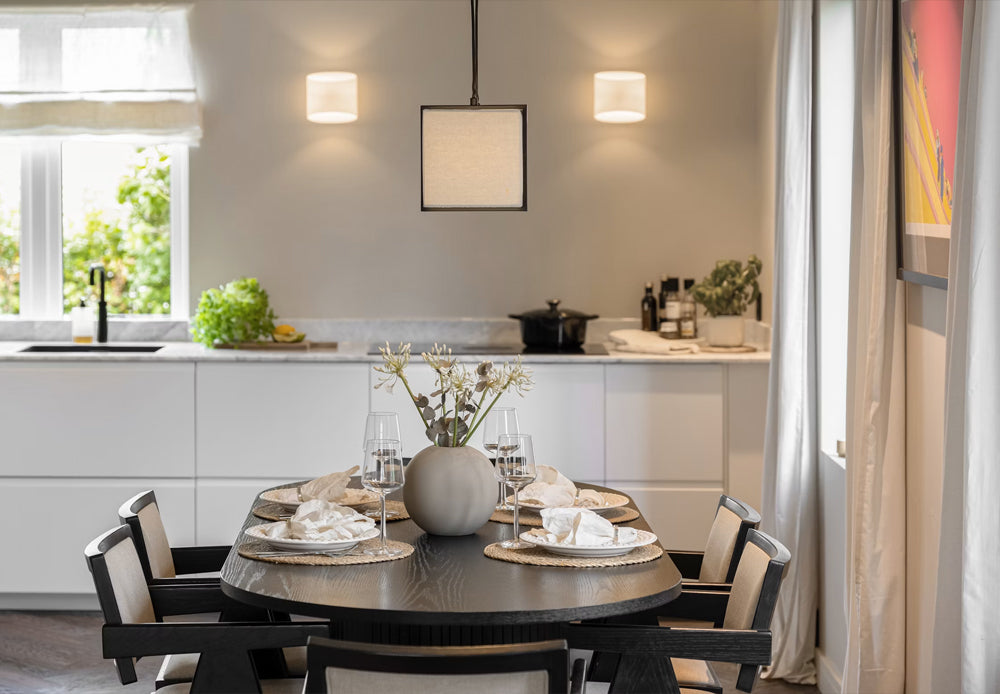
The Ultimate Guide to Dining Room Lighting
The dining room is more than just a place to eat. It is the heart of the home where families gather, friends celebrate, and memories are made. Whether you are hosting a formal dinner party, enjoying a quiet weekday breakfast, or using the dining table as a makeshift home office, the right lighting sets the tone, dictates the mood, and defines the space's aesthetic.
In modern interior design, lighting is no longer just a functional necessity; it is a structural design element. A thoughtfully chosen fixture can act as a stunning centerpiece, tying together your furniture, wall colors, and architectural features. This ultimate guide will walk you through everything you need to know about dining room lighting—from understanding lighting layers and color temperatures to choosing the perfect fixture size. We will also highlight some of the finest LED lighting solutions from Ankur Lighting to help you transform your space.

Understanding the Three Layers of Lighting
To achieve a beautifully lit dining room, relying on a single overhead light is a common mistake. Professional designers use a concept called "layered lighting" to create depth, eliminate harsh shadows, and provide flexibility.
1. Ambient Lighting
Ambient lighting is the foundational layer. It provides the overall, general illumination that allows you to navigate the room safely. In a dining room, ambient light often comes from large chandeliers, linear pendants, or recessed ceiling lights. The goal is to create a soft, even glow that fills the room without being aggressively bright.
2. Task Lighting
Task lighting is highly focused illumination intended for specific activities. In the context of a dining room, the dining table itself is the primary task area. A well-placed pendant light or a directed track light ensures that your food looks appetizing and that you can comfortably read a menu or a book.
3. Accent Lighting
Accent lighting is the decorative layer. It is used to highlight architectural features, artwork, or decorative pieces within the room. Wall sconces flanking a mirror, magnetic track spotlights illuminating a painting, or LED strip lights inside a glass china cabinet all serve as accent lighting. This layer adds drama and visual interest to the space.

Sizing and Placement: Getting the Proportions Right
Even the most beautiful chandelier will look out of place if it is the wrong size or hung at the wrong height. Follow these golden rules to ensure visual harmony:
The Rule of Proportions
When selecting a statement light, you must scale it to both the room and the dining table. A fixture that is too small will look lost, while one that is too large will overwhelm the space.
-
Width: The diameter or width of your dining room light fixture should be approximately one-half to two-thirds the width of your dining table. If you have a round table that is 48 inches across, look for a fixture with a 24-inch to 32-inch diameter.
-
Linear Tables: For long, rectangular tables, a linear suspension light or a cluster of smaller pendants works best. The fixture should ideally span no more than two-thirds the length of the table to prevent tall guests from bumping their heads when standing up.
The Rule of Height
The standard rule for hanging a dining room light is that the bottom of the fixture should sit 30 to 36 inches above the surface of the dining table.
-
If your ceiling is higher than the standard 8 feet, add 3 inches of height to the suspension chain/cord for every additional foot of ceiling height.
-
Hanging a fixture too high disconnects it from the table, making it feel like it belongs to the ceiling rather than the dining area. Hanging it too low obstructs the view across the table.
The Science of Color Temperature
Lighting texture and color temperature drastically alter how a room feels and how colors are perceived. Measured in Kelvin (K), color temperature ranges from warm yellow to cool blue.
-
Warm White (2700K – 3000K): This is the ideal range for dining rooms. At 3000K, the light produces a cozy, inviting, and relaxing glow that mimics the warmth of candlelight. It makes food look appetizing and flatters skin tones, which is exactly what you want during a dinner party.
-
Neutral White (3500K – 4000K): Often used in kitchens and modern office spaces, this temperature is crisp and clean. While it is excellent for task work, it can feel a bit too clinical for a dedicated dining area.
-
Daylight (5000K – 6500K): These highly energetic, blue-toned lights are best reserved for commercial spaces, hospitals, or garages. Using 5000K lighting in a dining room will make the space feel stark and uncomfortable.
Always opt for high CRI (Color Rendering Index) LED lights for your dining room. A CRI of 90 or above ensures that the colors of your food, wood finishes, and fabrics look true and vibrant.

Top 5 Dining Room LED Lights from Ankur Lighting
Finding the right fixture that balances architectural design with energy-efficient LED technology can be challenging. Ankur Lighting offers a premium range of modern fixtures that cater to various aesthetic preferences. Here are five top-tier options perfect for upgrading your dining room:
1. ANKUR LUSTRO Metal and Glass Modern Hanging Light
For spaces that demand elegance without heavy visual weight, the ANKUR LUSTRO Metal and Glass Modern Hanging Light is a masterpiece. This 1200mm linear fixture features antique brass metal frames coupled with clear cylindrical glass tubes. It casts a warm, brilliant glow over long dining tables. Its transparent design ensures it doesn't block sightlines across the room, making it perfect for open-concept homes that want to maintain a sense of spaciousness while adding a gallery-worthy centerpiece.
2. ANKUR ECHO Modern Designer Spokes Black Finish Hanging Light
If your home leans toward modern industrial or bold contemporary aesthetics, the ANKUR ECHO Modern Designer Spokes Black Finish Metal Based Hanging Light is a statement piece. Featuring a 320mm diameter cage of sleek metal spokes in a matte black finish, it brings raw architectural intrigue to the dining area. The integrated 3000K LED casts dynamic shadows and a warm glow, acting as a dramatic focal point above a round or square dining table.
3. ANKUR GEOM Contemporary Linear Pendant Light
Minimalism relies on clean lines and powerful geometry. The ANKUR GEOM Contemporary Linear Pendant Light offers a futuristic aesthetic that perfectly complements highly modern homes. Stretching over 1200mm, its sturdy yet delicate-looking black metal frame provides strong directional task lighting directly down onto the dining table. It organizes the visual space, making it highly suitable for long wooden or marble dining tables where sleek, uncluttered design is the priority.
4. ANKUR Modern Nordic Dome With Natural Wood Pendant Light
Scandinavian design is all about warmth, simplicity, and organic textures. The ANKUR Modern Nordic Dome With Natural Wood Pendant Light perfectly captures this ethos. Combining a sleek metal dome (available in black or white) with a natural wood accent, this pendant brings a soft, inviting energy to the room. It works beautifully clustered in pairs or threes over a rectangular table, or hung as a single fixture over an intimate breakfast nook.
5. ANKUR 5mm NanoSlim Magnetic Modern Drum LED Spot Light
For those who prefer a highly architectural, ultra-modern approach, magnetic track lighting is the pinnacle of customizable design. The ANKUR 5mm NanoSlim Magnetic Modern Drum LED Spot Light allows you to snap powerful, focused drum spotlights right into a recessed or surface-mounted track. Available with adjustable color temperatures (3000K/4000K/6500K), you can direct these drum lights to illuminate the center of the dining table while angling others toward surrounding wall art or buffets.

Matching Your Lighting to Your Interior Style
Your dining room light fixture should act as a bridge between the room's architecture and its furniture. Here is how to match lighting styles to your interior design theme:
-
Contemporary & Minimalist: Stick to geometric shapes, linear pendants, and magnetic track systems. Finishes should be matte black, white, or brushed nickel. Avoid ornate crystals or fabric shades.
-
Industrial: Look for fixtures with exposed hardware, metal cages, and dark finishes like matte black or antique brass. The Ankur Echo Spokes light is a textbook example of refined industrial design.
-
Nordic / Scandinavian: Soft curves, matte finishes, and organic materials like wood or bamboo are essential. Lighting should feel cozy and unassuming.
-
Modern Luxury: If your dining table features rich marble or dark polished wood, elevate the space with fixtures that incorporate glass, gold, brass, or alabaster. The Ankur Lustro fixture adds that required layer of sophisticated shine.
The Power of Dimming and Smart Controls
One of the most critical elements of dining room lighting is flexibility. The lighting you need for helping your child with Class 8 math homework at the dining table is drastically different from the lighting you want for a romantic anniversary dinner.
Always install your primary dining room fixtures on a dimmer switch. Dimming allows you to instantly alter the mood of the room, transitioning from high-visibility task lighting to low-level, intimate ambient light. Furthermore, modern LED fixtures dimming systems can dramatically increase the lifespan of your bulbs and reduce energy consumption. When purchasing LED fixtures, always ensure that the integrated LEDs or drivers are explicitly labeled as "dimmable," as using non-dimmable LEDs on a dimmer switch will cause severe flickering and hardware damage.
Common Dining Room Lighting Mistakes to Avoid
Even with the best fixtures, poor execution can ruin a room’s aesthetic. Keep an eye out for these common pitfalls:
-
Ignoring the Ceiling: A gorgeous chandelier loses its impact if the ceiling around it is dark and uninviting. Consider adding cove lighting or recessed wash lights to bounce light off the ceiling, making the room feel taller and more expansive.
-
Using the Wrong Bulbs: An elegant fixture can be easily ruined by installing a harsh 5000K daylight bulb. Always double-check that your bulbs or integrated LEDs are in the 2700K-3000K range for dining areas.
-
Relying Only on Downlighting: Recessed downlights are great for ambient lighting, but if they are the only light source, they will cast harsh, unflattering downward shadows on your guests' faces. Counteract this by adding a central pendant or wall sconces to provide horizontal, face-level illumination.
-
Creating a "Floating" Fixture: If a pendant or chandelier is hung too high (more than 36 inches above the table), it feels entirely disconnected from the dining experience. It should serve to anchor the table, not the ceiling.
Conclusion
Mastering dining room lighting is an exercise in balancing aesthetic beauty with functional brilliance. By understanding the importance of layered lighting, respecting the rules of proportion and height, and selecting the correct warm color temperatures, you can easily turn an ordinary dining space into a spectacular hosting venue.
Whether you lean toward the sleek, futuristic lines of a linear LED pendant, the architectural brilliance of a magnetic track system, or the organic warmth of a Nordic dome, investing in high-quality fixtures pays dividends in both style and comfort. Explore the carefully curated collections at Ankur Lighting to find the perfect centerpiece that will illuminate your home for years to come.
Frequently Asked Questions (FAQs)
Q1: How bright should my dining room light be?
A: For general dining, aim for a total output of around 3,000 to 4,000 lumens in the room. However, brightness should always be adjustable. Ensure your main dining fixture is connected to a dimmer switch so you can control the intensity based on the occasion.
Q2: Can I use track lighting in a dining room?
A: Absolutely. Modern magnetic track systems, like Ankur’s NanoSlim tracks, offer incredible architectural appeal. They are highly customizable, allowing you to position spotlights exactly where you need them over a long dining table, while remaining sleek and unobtrusive.
Q3: What is the best color temperature for dining spaces?
A: Warm white light, specifically between 2700K and 3000K, is the absolute best choice for dining rooms. It creates a cozy, relaxing atmosphere and enhances the visual appeal of both the food and the guests.
Q4: Should the dining light be centered in the room or over the table?
A: The light should always be centered over the dining table, even if the table is not perfectly centered in the room. The fixture is meant to anchor the dining space; centering it in the room instead of the table will make the layout look disjointed.
Q5: Can I mix and match different lighting styles in an open-concept living/dining space?
A: Yes, but there should be a cohesive element tying them together. If you have a bold geometric chandelier in the dining area, you might use simpler, minimalist fixtures in the living area that share the same metal finish (like matte black or brass) to create a unified look without being overly "matchy."
Read more
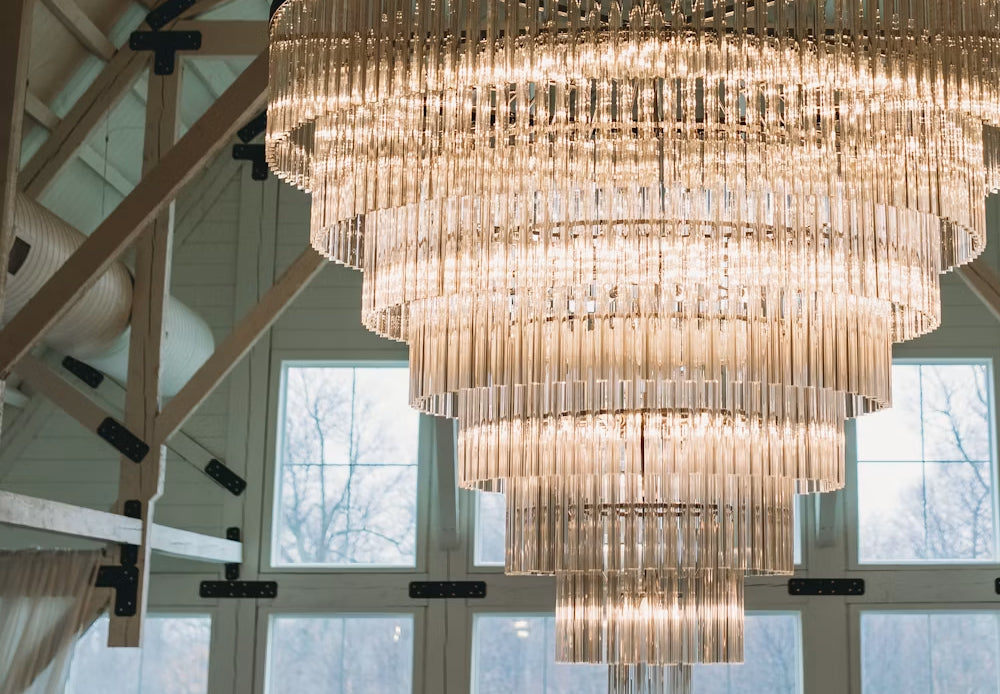
Lighting Ideas for Double-Height Ceilings
Walking into a room with a double-height ceiling is an undeniable architectural experience. The sheer volume of space creates an immediate sense of grandeur, luxury, and openness. However, that mag...
Read more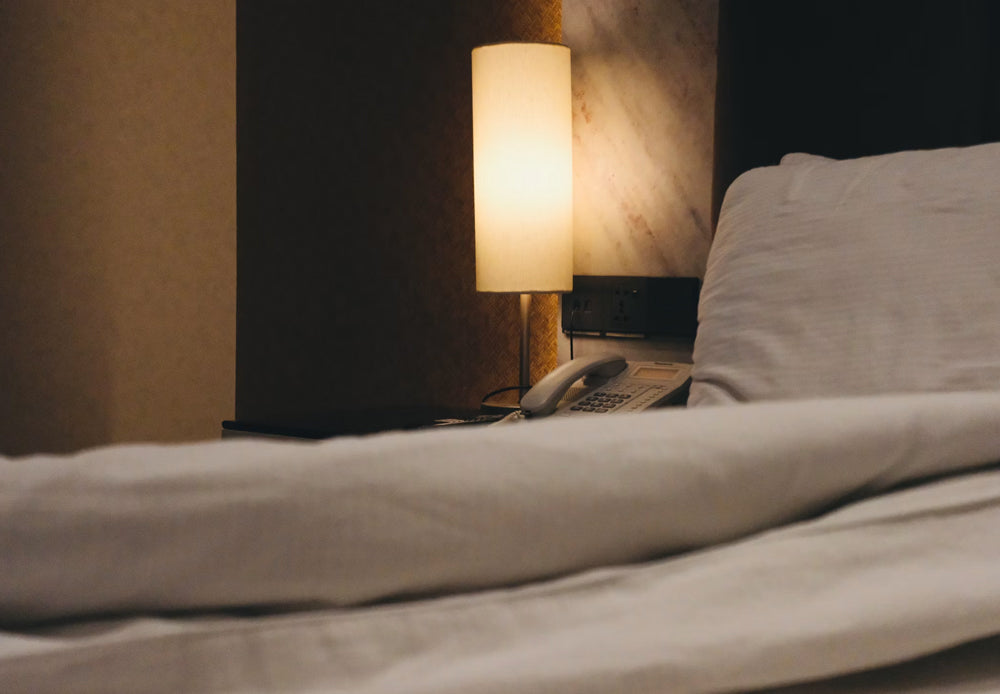
Decorative Wall Lights for Bedrooms and Hallways
When it comes to interior design, lighting is often the unsung hero. It dictates the mood, shapes the perceived size of a room, and highlights your carefully curated architecture. While ceiling lig...
Read more