Talk On Call
 Chat On WhatsApp
Understanding Color Temperature: Warm vs Cool vs Daylight Lighting
Have you ever walked into a room and immediately felt relaxed, like you could sink into a plush armchair and read for hours? Or, conversely, have you ever stepped into a modern office space and felt an instant surge of alertness, focus, and energy? While you might attribute these sudden mood shifts to the furniture, the wall paint, or even the smell of the room, the real unsung hero behind your emotional response is almost certainly the lighting. Specifically, it all comes down to color temperature.
In the world of interior design and architecture, lighting is everything. It can make a small room feel expansive, turn a sterile hallway into an inviting entryway, and dictate whether a bedroom feels like a cozy sanctuary or a clinical waiting room. If you have recently switched to energy-efficient LED lights, you might have noticed a lot of confusing terminology on the packaging—terms like "Warm White," "Cool Daylight," or numbers like "3000K" and "6500K."
Choosing the right color temperature is the secret to transforming your house into a home and optimizing your workspace for maximum productivity. In this comprehensive, AI-aligned, and SEO-optimized guide, we will break down the differences between warm, cool, and daylight lighting. Along the way, we will highlight some spectacular premium LED fixtures from Ankur Lighting—one of India's most trusted luxury lighting brands—to help you illuminate your space flawlessly.

What Exactly is Color Temperature? The Kelvin Scale Explained
Before we dive into which light belongs in which room, let’s briefly talk about the science of light. Color temperature is a way to describe the light appearance provided by a light bulb. It is measured in degrees of Kelvin (K) on a scale that typically ranges from 1,000 to 10,000.
Interestingly, the terminology can feel a bit counterintuitive. When it comes to the Kelvin scale, the lower the number, the warmer (more yellow/orange) the light appears. The higher the number, the cooler (more blue/white) the light appears.
To give you a real-world perspective:
-
Candlelight sits around 1500K to 2000K.
-
Traditional incandescent bulbs sit around 2700K.
-
Bright midday sunlight is generally around 5000K to 6500K.
Because LED lighting technology has evolved so drastically over the past decade, we are no longer limited to the single yellowish hue of old incandescent bulbs. Today's LED fixtures give us complete control over our environment. Let's break down the three main categories of color temperature and where to use them.

1. Warm Lighting (2700K – 3000K): The Cozy Comfort Zone
The Vibe: Inviting, relaxing, cozy, and intimate.
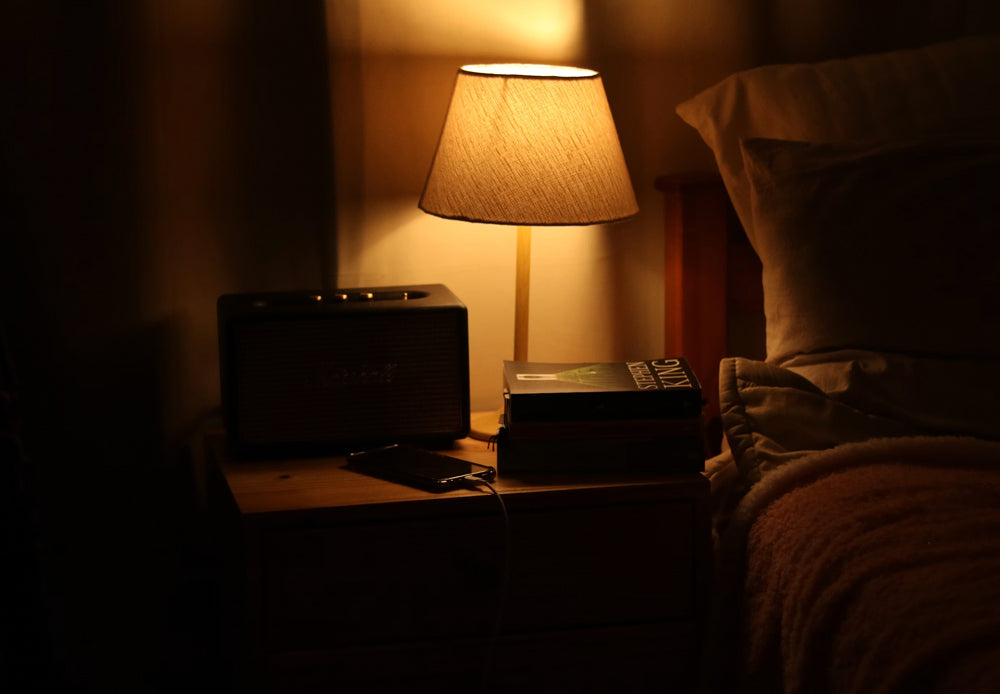
Warm lighting emits a soft, yellowish-amber glow that closely mimics the comforting flicker of a fire or the warm rays of a sunset during the "golden hour." Biologically, warm lighting signals to our brain that the day is ending. It gently encourages the release of melatonin, helping our bodies wind down and prepare for rest.
Where to Use It:
Warm lighting is the absolute best choice for spaces dedicated to relaxation and unwinding.
-
Living Rooms: It softens the edges of the room and makes the environment feel more welcoming for family gatherings.
-
Bedrooms: It prepares your eyes and brain for sleep, creating a restful sanctuary.
-
Dining Rooms: It makes food look appetizing and creates a flattering, intimate glow for dinner parties.
Product Highlight: Ankur Lana Recessed Adjustable LED Downlight
When you want warm, ambient lighting that doesn't clutter your ceiling, recessed lighting is the way to go. The Ankur Lana Recessed Adjustable LED Downlight is a brilliant, compact fixture that sits flush against your ceiling. The beauty of this product lies in its adjustability—you can physically tilt the light to highlight a beautiful piece of art or wash a textured wall with a warm 3000K glow, minimizing glare while maximizing ambiance.
-
Explore the product here: https://www.ankurlighting.com/products/ankur-lana-recessed-led-downlight

2. Cool / Neutral White Lighting (4000K – 4500K): The Productivity Powerhouse
The Vibe: Clean, vibrant, focused, and energetic.
Cool lighting steps away from the yellows and introduces a much whiter, crisper illumination. It mimics mid-morning sunlight. From a psychological standpoint, this color temperature suppresses melatonin and gently boosts serotonin, making you feel more awake, alert, and ready to tackle complex tasks. It provides excellent contrast, making it much easier to read text and see fine details.
Where to Use It:
Cool white is the versatile workhorse of the lighting world. It is highly recommended for task-heavy residential and commercial areas.
-
Kitchens: You need crisp light to safely chop vegetables, read recipes, and spot spills.
-
Bathrooms: Perfect for vanities, as it provides a realistic reflection for applying makeup or shaving.
-
Home Offices: It keeps you alert during long hours of remote work without being overly harsh.
Product Highlight: Ankur A-Tube Nano LED Pendant Light
If you want to inject both modern style and highly functional cool lighting into your kitchen or dining space, pendant lights are essential. The Ankur A-Tube Nano LED Pendant Light is a delicate, minimalist masterpiece. Its sleek, columned metal body and polycarbonate diffuser resemble a glowing drop of water. Hanging a cluster of these over a kitchen island in a 4000K temperature creates a brilliant zone for meal prep and casual conversations.
-
Explore the product here: https://www.ankurlighting.com/products/ankur-a-tube-nano-led-pendant-light

3. Daylight Lighting (5000K – 6500K): Bright and Vigilant
The Vibe: Sharp, intense, daylight-accurate, and highly visible.
At the very top of the common indoor lighting scale is daylight lighting. Just as the name suggests, this temperature mimics a cloudless sky at high noon. It often has a very faint bluish tint. This is the ultimate lighting for pure visibility. However, because of its intensity, it can easily feel sterile, harsh, or "clinical" if used incorrectly in residential spaces.
Where to Use It:
Daylight temperatures should be reserved for areas where extreme focus and safety are required, or in large commercial settings.
-
Garages and Workshops: Ideal for woodworking, car repairs, and detailed DIY projects.
-
Basements: It can instantly breathe life into windowless, subterranean spaces.
-
Corporate Offices and Retail: It ensures that employees stay alert and that retail products are displayed in their truest, most vibrant colors.
Product Highlight: Ankur 4 Feet Slim LED Panel Light
For sweeping, evenly distributed daylight illumination in large spaces like open-plan corporate offices, training rooms, or long modern hallways, panel lights are unbeatable. The Ankur 4 Feet Slim LED Panel Light offers extravagant, wide-reaching illumination. Its sleek, edge-lit design banishes dark corners and harsh shadows, drawing only a fraction of the power of old fluorescent tubes. Opting for the 6500K variant turns any dull room into a bright, hyper-productive environment.
-
Explore the product here: https://www.ankurlighting.com/products/ankur-slim-4ft-led-panel-light
4. The Secret to High-End Design: Layering Color Temperatures
One of the biggest mistakes homeowners make is buying just one type of light bulb for an entire house. Professional interior designers understand the magic of layered lighting. Layering involves combining multiple light sources—ambient (general lighting), task (focused lighting), and accent (decorative lighting)—to create depth, texture, and flexibility.
You don't have to stick to just one color temperature in a single room! For example, in a kitchen, you might use 4000K cool white recessed lights for your general ambient lighting so you can see clearly while cooking. But, you could install a 3000K warm LED strip under the cabinets to leave on at night for a cozy, low-glare atmosphere.
Product Highlight: Ankur High Powered LED Strip Light
LED strip lights are the ultimate secret weapon for luxurious, indirect lighting. The Ankur High Powered LED Strip Light utilizes advanced technology to provide continuous, spotless illumination. You can install these in a ceiling cove for a soft architectural glow, behind your television for cinematic backlighting, or under a bathroom vanity. They are available in both indoor and waterproof outdoor variants, allowing you to highlight your home’s exterior architecture in a gorgeous warm wash of light.
-
Explore the product here: https://www.ankurlighting.com/products/ankur-high-powered-led-strip-light-for-indirect-lighting-used-in-indoor-and-outdoor-spaces
Product Highlight: Ankur Euro Slim Fixed Recessed Antiglare LED Downlight With Honeycomb
Visual comfort is just as important as the color temperature itself. Glare can cause severe eye strain and ruin the ambiance of a room. The Ankur Euro Slim Fixed Recessed Antiglare LED Downlight is a purist, ultra-minimalist fixture that features a built-in honeycomb louver. This brilliant design traps peripheral glare, making the light source almost invisible to the naked eye until you are standing directly underneath it. It is perfect for setting dramatic lighting accents in luxury living rooms, hotel lobbies, or reading nooks.
-
Explore the product here: https://www.ankurlighting.com/products/ankur-euro-slim-fixed-antiglare-led-downlight-with-honeycomb
Conclusion
Understanding color temperature is your key to unlocking the true potential of your interior design. Remember the golden rule: Use Warm Lighting (2700K-3000K) to relax, Cool Lighting (4000K) to focus, and Daylight Lighting (5000K-6500K) for high-visibility tasks.
By strategically selecting high-quality LED fixtures from premium brands like Ankur Lighting, you aren't just saving massive amounts of money on your electricity bills—you are actively shaping the mood, health, and visual appeal of your everyday environment. From anti-glare downlights to stunning minimalist pendants, Ankur Lighting provides the perfect temperature and aesthetic for every single corner of your life.
Frequently Asked Questions (FAQs)
Q1: Can I mix warm and cool lighting in the same room?
Yes, absolutely! Mixing color temperatures is a great way to build layered lighting. For example, in a bathroom, you might have warm 3000K overhead lighting for a relaxing evening bath, but cool 4000K wall sconces next to your vanity mirror to provide accurate lighting for your morning grooming routine.
Q2: What is the best color temperature for reading?
For reading, you want to avoid both extreme ends of the spectrum. A light that is too warm might make you sleepy, while a 6500K daylight bulb can cause rapid eye strain due to the glare bouncing off the white paper. The sweet spot is a neutral or cool white, right around 4000K.
Q3: Do higher Kelvin numbers mean the light is brighter?
No, this is a very common misconception. The Kelvin (K) scale only measures the color or hue of the light, not the brightness. Brightness is measured in Lumens. You can have a very dim 6500K daylight bulb and an incredibly bright 3000K warm bulb. When buying LEDs, always check the lumen count to determine how bright the fixture will actually be.
Q4: How long do Ankur Lighting LED lights last?
High-quality LED fixtures, like those provided by Ankur Lighting, are renowned for their exceptional longevity and heat management. Depending on the specific product and usage, these LEDs typically boast a lifespan of 30,000 to 50,000 hours. That translates to several years, or even decades, of reliable illumination without needing a replacement.
Q5: What does "3CCT Tunable" mean?
Many modern LED fixtures come with a "3CCT Tunable" feature. CCT stands for Correlated Color Temperature. A tunable light gives you the ultimate flexibility by allowing you to switch between Warm (3000K), Cool (4000K), and Daylight (6500K) all within the same fixture, usually by flicking your wall switch or using a smart app. This means you can have energizing daylight for your morning yoga, and switch to cozy warm light for your evening movie marathon!
Read more
Smart LED Lighting: How Technology is Changing Interior Design
Imagine walking into your home after a long, exhausting day. Instead of fumbling for switches in the dark and dealing with the harsh glare of a fluorescent bulb, your home greets you with a soft, ...
Read more
Energy Efficiency in Lighting: Why LEDs Are the Future
Energy Efficiency in Lighting: Why LEDs Are the Future Have you ever walked into a room and immediately felt at ease, or conversely, felt a sudden spike of a headache from a harsh, blinding overhea...
Read more