Talk On Call
 Chat On WhatsApp
Article: The Science of Circadian Lighting: How Lighting Affects Sleep, Mood & Productivity
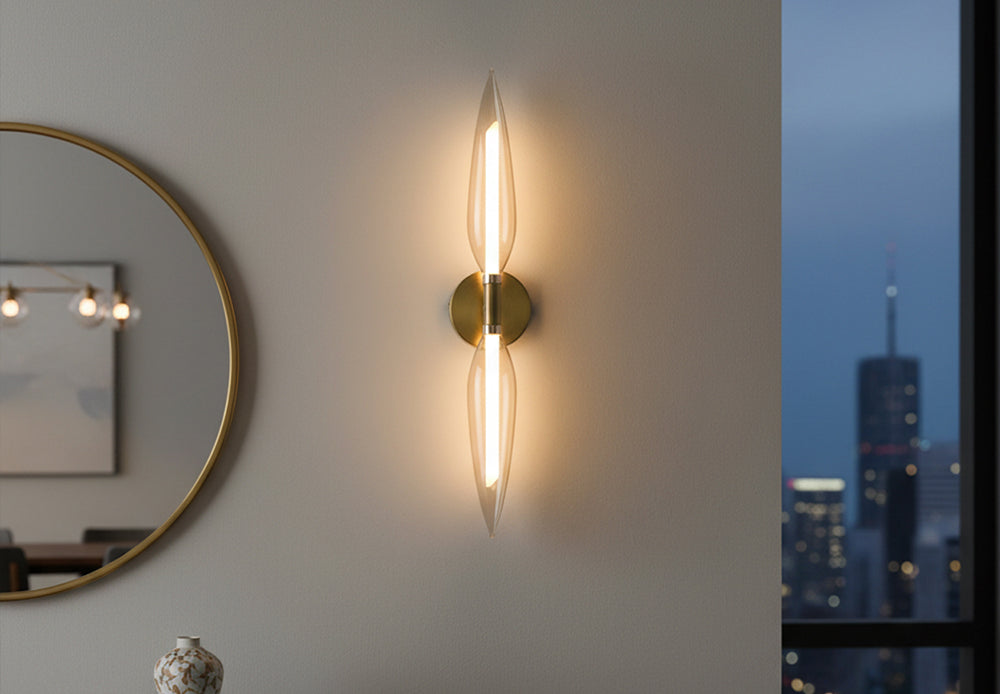
The Science of Circadian Lighting: How Lighting Affects Sleep, Mood & Productivity
Hey there! Have you ever noticed how a bright, sunny morning instantly makes you feel ready to conquer the world, while a dimly lit, overcast afternoon makes you want to curl up with a cup of tea and a good book? Or perhaps you’ve experienced the frustration of tossing and turning at 2 AM after staring at bright screens for hours.
We often blame our energy slumps on a lack of coffee or a busy schedule, but there is a silent, invisible force dictating our daily energy levels: light.
Welcome to the fascinating world of circadian lighting.
For decades, we’ve thought of interior lighting merely as a functional tool—a way to see in the dark. But modern science has revealed that the light we expose ourselves to throughout the day profoundly influences our biological clocks. From the moment we wake up to the second we close our eyes, light is quietly orchestrating our sleep patterns, shaping our moods, and determining our productivity.
Whether you are staring at multiple screens analyzing multi-timeframe charts for a late-night trade, or sitting at the dining table helping a teenager navigate their eighth-grade homework, the light in your room is either helping you thrive or holding you back.
In this blog, we are going to dive deep into the science of circadian rhythms, explore how different types of light impact your brain, and show you how to optimize your home and workspace. Plus, we’ll highlight some cutting-edge, stylish solutions from Ankur Lighting that can help you align your home with your biology.
Let’s shed some light on the subject!

What Exactly is the Circadian Rhythm?
To understand circadian lighting, we first have to understand the circadian rhythm. The term "circadian" comes from the Latin words circa (meaning "around") and diem (meaning "day"). Your circadian rhythm is essentially your body’s internal 24-hour biological clock.
Located in a tiny region of the brain called the hypothalamus, specifically the suprachiasmatic nucleus (SCN), this master clock regulates a host of vital physiological processes. It dictates when you feel sleepy, when you feel hungry, how your hormones are secreted, and even your core body temperature.
But how does this internal clock know what time it is? It relies heavily on external cues from the environment, known as zeitgebers (German for "time givers"). And the single most powerful zeitgeber on the planet is light.
The Evolutionary Connection to Daylight
For thousands of years, human biology evolved in perfect sync with the sun.
-
Morning: The day started with the warm, amber hues of sunrise, signaling the brain to wake up and produce cortisol (the alertness hormone).
-
Midday: As the sun reached its peak, the sky flooded our eyes with intense, cool blue light. This maximized our alertness, focus, and physical energy.
-
Evening: As the sun set, the light transitioned back to warm, reddish-orange tones (think of a campfire). This absence of blue light signaled the brain to stop producing cortisol and start producing melatonin (the sleep hormone).
Today, however, we live in a drastically different world. We spend over 90% of our time indoors, bathed in static, artificial lighting that doesn't change color or intensity. Our biology is expecting the dynamic shifts of the sun, but instead, we are giving it "midday sun" at 10 PM in the form of bright screens and harsh overhead bulbs. This mismatch is known as circadian disruption, and it is wreaking havoc on our health.

How Lighting Affects Sleep: The Melatonin Connection
If there is one area where circadian lighting has the most immediate, noticeable impact, it is your sleep quality.
Inside your eyes, there are specialized light receptors called intrinsically photosensitive retinal ganglion cells (ipRGCs). Unlike the rods and cones that help us see shapes and colors, these ipRGCs have one primary job: to detect blue light (which has a short wavelength) and send a direct message to your brain’s master clock.
When these receptors detect cool, blue-toned light (typically found in standard daylight LED bulbs, smartphones, and computer monitors), they signal the pineal gland to suppress the production of melatonin.
The Problem with Modern Evenings
When you keep bright, cool-toned lights on after sunset, you are biologically tricking your brain into thinking the sun is still up. This delays the release of melatonin, making it incredibly difficult to fall asleep. Even if you do manage to drift off, the quality of your deep, restorative sleep is significantly compromised. You wake up feeling groggy, which leads to a dependency on caffeine, creating a vicious cycle of fatigue.
The Circadian Lighting Solution for Sleep
To protect your sleep, your evening environment needs to mimic a sunset and a campfire.
-
Dim the Lights: Lower the overall intensity of the light in your home a few hours before bed.
-
Warm the Tone: Switch to warm color temperatures (between 2700K and 3000K). These warm, yellowish-orange hues do not trigger the ipRGCs in your eyes, allowing your melatonin production to ramp up naturally.
-
Lower the Source: Use table lamps, floor lamps, or low-glare recessed lighting rather than harsh, direct overhead lights.
Lighting, Mood, and Mental Well-being
Light doesn't just dictate when we sleep; it heavily influences how we feel. Have you ever noticed how a dimly lit, flickering fluorescent office makes you feel instantly depressed or drained?
The Serotonin Boost
Exposure to bright, cool light (around 4000K to 6500K) during the early part of the day stimulates the production of serotonin. Serotonin is a neurotransmitter heavily associated with mood elevation, calmness, and focus. A lack of bright light during the day can lead to a drop in serotonin levels, which is the primary mechanism behind Seasonal Affective Disorder (SAD)—a type of depression that typically occurs during the darker winter months.

Creating Emotional Spaces with Light
Lighting designers and interior architects use color temperature to evoke specific emotions within a space.
-
Warm Light (2700K - 3000K): Creates a feeling of safety, intimacy, and relaxation. It makes living rooms feel cozy and bedrooms feel like sanctuaries.
-
Cool Light (4000K - 6500K): Creates a feeling of cleanliness, spaciousness, and high energy. This is why hospitals, kitchens, and modern offices use cooler temperatures.
By implementing smart, tunable LED lighting, you can adapt a single room to serve multiple emotional purposes throughout the day.
Boosting Productivity Through Lighting
If you work from home, manage complex tasks, or frequently stare at screens analyzing data, your workspace lighting is a critical tool for your success. Poor lighting is one of the leading causes of eye strain, tension headaches, and afternoon fatigue.
Beating the Afternoon Slump
When you are trying to stay sharp, you need lighting that suppresses melatonin and promotes alertness. This is where cool white or daylight-toned LED lights (4000K to 6500K) shine. This wavelength of light signals your brain that it is the middle of the day, keeping your cognitive functions firing on all cylinders.
However, glaring, harsh light can cause eye fatigue over time. The goal is to achieve high brightness without the glare. This is why anti-glare, recessed lighting, and focused task lighting are becoming the gold standards in modern home offices. They provide the biological benefits of bright light without blinding you while you work.
The Power of Tunable and Layered Lighting
The ultimate productivity hack is a tunable lighting system. In the morning, you can flood your home office with crisp, cool daylight (6500K) for maximum focus. By the time late afternoon rolls around and you are finishing up emails or helping the kids with a creative school project, you can transition the lights to a softer, neutral white (4000K). And if you are burning the midnight oil, dropping the lights to a warm, dim glow (3000K) will ensure that you can still fall asleep when you finally log off.
Elevating Your Space with Ankur Lighting LED Lights
Knowing the science is only half the battle. To truly take advantage of circadian lighting, you need fixtures that offer versatility, modern aesthetics, and superior LED technology.
Ankur Lighting has been at the forefront of providing innovative, high-quality lighting solutions that blend architectural beauty with functional brilliance. Whether you are upgrading your home office for better focus, or redesigning your living room for evening relaxation, here are 5 exceptional products from Ankur Lighting that can help you master your environment.
1. ANKUR DELTA EURO COOL RECESSED LED DOWNLIGHT
When it comes to general illumination that mimics natural daylight without being obtrusive, the Delta Euro Cool downlight is a masterclass in modern design.
-
Why it works for Circadian Lighting: This fixture is available in multiple color temperatures (3000K, 4000K, and 6500K), but what makes it truly spectacular is its 3CCT (Tunable) option. This means you can adjust the color temperature of the light throughout the day directly from the fixture, transitioning seamlessly from a bright, productive midday white to a cozy, relaxing evening yellow.
-
Aesthetic Appeal: With stunning body finish combinations like Black+RoseGold, White+Chrome, and Grey+Rosegold, it blends flawlessly into modern ceilings while adding a subtle touch of luxury.
2. ANKUR EURO BAR RECESSED LED DOWNLIGHT
If you are looking for an adjustable lighting solution that creates visual hierarchy in your space, the Euro Bar is the perfect fit.
-
Why it works for Circadian Lighting: Instead of flooding an entire room with light, the Euro Bar is adjustable and movable. This allows you to bounce light off walls (creating a softer, diffuse ambient light) or highlight specific artwork and architectural features. By utilizing its warm 3000K option, you can create a beautifully structured, intimate atmosphere in the evening that keeps your melatonin levels safe.
-
Aesthetic Appeal: The clean, cylindrical design available in stark black or pure white provides an incredibly modern, architectural feel.
3. ANKUR LASERBLADE PINSPOT ANTI GLARE LINEAR RECESSED LED LIGHT
For those who spend long hours at a desk, eye strain is the enemy of productivity. The LaserBlade Pinspot is engineered to solve exactly that.
-
Why it works for Circadian Lighting: This linear recessed light features an advanced anti-glare design. It delivers crisp, high-quality illumination (available in focus-boosting 4000K or 6500K) directly onto your work surface without the harsh glare that causes visual fatigue. It provides the biological alertness you need for complex tasks while protecting your eyes.
-
Aesthetic Appeal: Its ultra-slim, minimalist profile makes it look like a sleek, continuous blade of light integrated directly into your ceiling architecture.
4. ANKUR PRISM 9677 LED ROUND RECESSED DOWNLIGHT
A true all-rounder, the Prism 9677 is a heavy-duty, beautiful fixture that can be used seamlessly indoors and outdoors.
-
Why it works for Circadian Lighting: Lighting consistency is key when moving through your home. The Prism 9677 delivers robust, focused light and comes in trim and trimless options. Using the 3000K version in hallways and transitional spaces ensures that as you move from your home office to your bedroom in the evening, you aren't suddenly shocked by an overly bright, cool light that resets your internal clock.
-
Aesthetic Appeal: Engineered with a clear glass face and an aluminum body, it offers a highly polished, professional look that elevates the ambiance of any room (or patio).
5. ANKUR MINI REXX ROUND 9W LED PANEL LIGHT
Not all homes have the luxury of high, expansive ceilings. For spaces with low ceilings or tight corners, the Mini Rexx is a game-changer.
-
Why it works for Circadian Lighting: This elegant polycarbonate mini panel delivers high brightness with a completely even, glare-free light output. You can choose a 6500K daylight option to instantly brighten up a cramped, dark utility room or a 3000K warm option to bring coziness to a low-ceilinged reading nook.
-
Aesthetic Appeal: Compact and unobtrusive, it provides massive lighting value without drawing attention to the fixture itself, making spaces feel larger and more open.

Conclusion
We are no longer bound by the simple flip of an on/off switch. By understanding the profound impact that light has on our biology, we can take control of our environments. Circadian lighting isn’t just an interior design trend; it is a scientifically backed approach to living a healthier, happier, and more productive life.
By actively managing your light exposure—opting for bright, cool tones during the day for laser-sharp focus, and transitioning to dim, warm tones in the evening to protect your sleep—you can harmonize your modern lifestyle with your evolutionary biology.
Ready to transform your home or workspace? Upgrading to high-quality, versatile fixtures like those from Ankur Lighting is the first step toward building an environment that works for you, day and night.
Frequently Asked Questions (FAQs)
1. Can LED lights really affect my sleep?
Yes, absolutely. Most standard LED lights emit a high amount of blue light. When your eyes absorb blue light in the evening, it suppresses the brain's production of melatonin (the sleep hormone), making it harder to fall asleep and reducing the quality of your rest. Switching to warm, amber-toned LEDs at night can prevent this.
2. What is the best color temperature (Kelvin) for a home office?
For maximum productivity and focus, you should aim for a color temperature between 4000K (Neutral/Daylight) and 6500K (Cool White). These cooler, bluer temperatures mimic the midday sun, signaling your brain to stay alert and suppressing sleep-inducing hormones.
3. What does "tunable white" or "3CCT" mean in LED lighting?
Tunable white (or Correlated Color Temperature - CCT) means that the light fixture has the ability to change its color temperature. For example, a 3CCT light can be switched between Warm White (3000K), Neutral White (4000K), and Cool White (6500K), allowing you to adjust the lighting based on the time of day or the task at hand.
4. Is warm light bad for your eyes when reading?
Warm light (2700K - 3000K) is not inherently bad for reading, but it may require your eyes to work slightly harder if the brightness (lumens) is too low. For reading, a neutral white light (around 4000K) is often considered the most comfortable as it provides excellent contrast on the page without being excessively harsh.
5. How do I implement circadian lighting without replacing all my fixtures?
You don't need to tear out your ceiling to benefit from circadian science. You can start by simply layering your lighting. Use your bright, overhead cool lights during the day. In the evening, turn those off and rely exclusively on table lamps and floor lamps fitted with warm (2700K) LED bulbs.
Read more
How to Choose the Perfect Colour Temperature for Every Room
Have you ever walked into a room and instantly felt relaxed, while another room made you feel energetic and on edge? You might have blamed the paint colour or the furniture, but the real secret beh...
Read more