Talk On Call
 Chat On WhatsApp
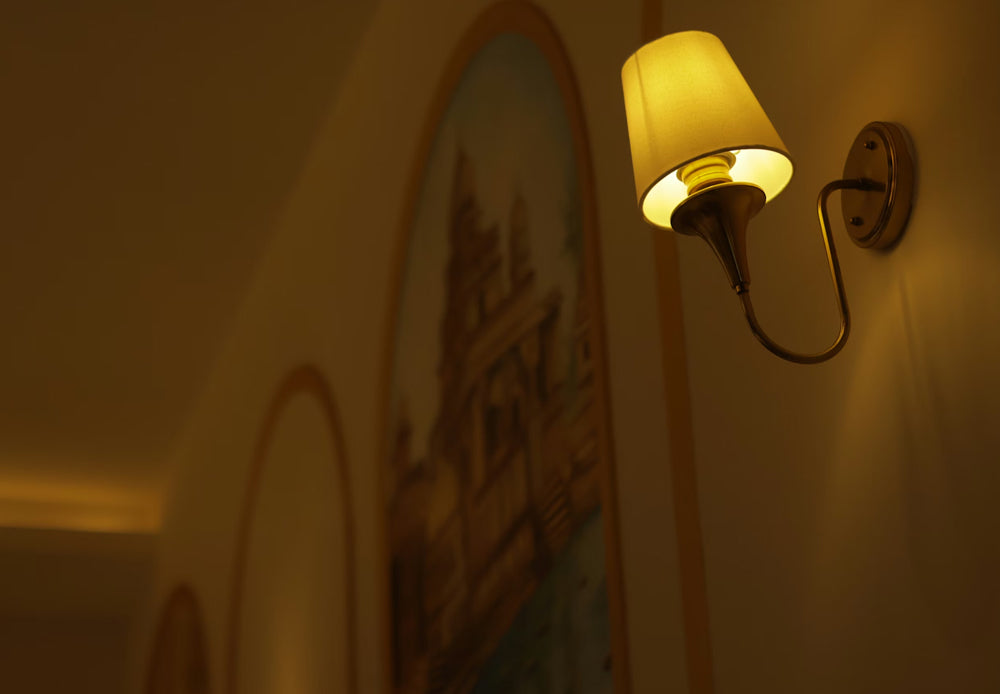
Lighting Design for Hospitality: Creating Mood in Restaurants & Hotels
When a guest walks through the doors of a hotel or sits down at a restaurant table, their experience begins long before the concierge greets them or the chef prepares their meal. The true first impression is shaped by the atmosphere, and nothing dictates the mood of a space quite like lighting design. In the fast-paced, highly competitive hospitality industry, whether it involves a boutique inn nestled in the quiet corners of Noida or a bustling luxury hotel in the heart of New Delhi, creating the right ambiance is a critical component of guest satisfaction.
Lighting is the silent conductor of the hospitality experience. It guides the eye, influences emotions, and can even affect the way food tastes. Too bright, and a romantic dinner feels like a cafeteria; too dim, and a luxury lobby feels unwelcoming. The art and science of hospitality lighting requires a delicate balance between aesthetics and technical precision. By leveraging the technical applications of LED technology, magnetic tracks, and architectural lighting, hospitality venues can craft dynamic, inviting spaces that leave a lasting impression.

The Intersection of Design and Technology in Hospitality Lighting
Modern hospitality lighting has evolved far beyond simply illuminating a room. It is a sophisticated blend of interior design and advanced technology. The transition toward architectural lighting solutions has allowed designers to integrate fixtures seamlessly into the built environment, making the light itself the focal point rather than just the hardware.
One of the most critical aspects of this evolution is the widespread adoption of LED technology. However, navigating the technical specifications of LEDs requires a shift in traditional thinking, particularly when it comes to the concepts of lumens versus watts. Historically, brightness was measured by wattage, which is actually a measure of electrical power consumption. Today, lumens are the true indicator of a light’s brightness and output. Understanding the distinction between lumens and watts is essential for hospitality managers and designers who want to ensure spaces are adequately lit without consuming excessive power. By focusing on lumen output rather than wattage, properties can achieve the perfect illumination levels for their specific architectural needs.
Furthermore, the integration of intelligent lighting systems and magnetic tracks offers unprecedented flexibility. In dynamic spaces like hotel art galleries, conference rooms, or restaurant floors that frequently rearrange their layouts, magnetic track lighting provides the ability to adjust, add, or remove fixtures with minimal effort. This adaptability ensures that the lighting always serves the function of the space.
A Methodical Approach to Layering Light
Creating a sophisticated atmosphere requires more than a single light source. Professional lighting design relies on a methodical approach known as layering. By combining different types of light, designers can build texture, depth, and visual interest within a room. This layered approach is generally broken down into four distinct categories:
-
Ambient Lighting: This is the foundational layer, providing the general illumination that allows guests to navigate a space safely and comfortably. In a hotel lobby, ambient lighting might be achieved through large architectural fixtures, cove lighting, or recessed downlights. The goal is to provide an even wash of light that sets the baseline mood for the room.
-
Task Lighting: As the name suggests, task lighting is designed to illuminate specific areas where activities take place. In a hotel room, this includes bedside reading lamps or vanity lights in the bathroom. In a restaurant, task lighting might be focused over the host stand or directly onto dining tables to ensure menus are easily readable.
-
Accent Lighting: This layer is all about drama and highlighting the architectural features or artwork within a space. Directional spot lights, track lighting, and up-lighting are commonly used to draw the eye to textured walls, sculptures, or floral arrangements. Accent lighting adds a sense of luxury and refinement, guiding the guest's attention to the carefully curated elements of the interior design.
-
Decorative Lighting: While decorative fixtures certainly emit light, their primary function is to serve as a piece of art. Chandeliers, grand pendant lights, and intricate wall sconces fall into this category. They act as visual centerpieces, reinforcing the brand identity and aesthetic theme of the restaurant or hotel.
Crafting the Atmosphere Room by Room
The hospitality environment is diverse, with each area serving a distinct purpose and requiring a unique lighting strategy.

The Grandeur of the Lobby and Reception
The lobby is the handshake of the hotel. It must convey the brand's identity immediately. During the day, maximizing natural light while supplementing with bright, welcoming ambient light is ideal. As evening approaches, the lighting should transition. Dimmable architectural lighting can create a warmer, more intimate setting. The reception desk itself requires clear, shadow-free task lighting so guests and staff can interact comfortably, while accent lighting can highlight the signage and architectural backdrop behind the desk.
Dynamic Dining Spaces: Restaurants and Bars
Restaurant lighting is intimately tied to the psychology of dining. Bright, cool lighting is often used in fast-casual environments to encourage quick turnover and high energy. In contrast, fine dining establishments rely on warm, dim lighting to slow down the pace, encouraging guests to relax, linger, and enjoy their company. Over-table pendants provide an intimate pool of task light, making the food the star of the show. Magnetic track systems are particularly valuable here, allowing the staff to reposition accent lights whenever tables are moved for larger parties. At the bar, under-counter LEDs and backlit shelving can make the glassware and bottles sparkle, creating an enticing focal point.
The Sanctuary of Guest Rooms and Suites
A hotel room serves many functions: it is a place to sleep, work, relax, and groom. Therefore, layered lighting is absolutely crucial. A central ambient light provides general illumination upon entry, but the real comfort comes from localized control. Articulated reading lights beside the bed, bright, high-CRI (Color Rendering Index) lighting at the bathroom vanity, and a gentle desk lamp for business travelers ensure that the guest can customize their environment.

Top 5 LED Lighting Fixtures for Hospitality by Ankur Lighting
Selecting the right fixtures is the final, crucial step in executing a flawless lighting design. With over a decade of excellence in the industry, Ankur Lighting offers a comprehensive catalog of fixtures perfectly suited for the rigorous demands of the hospitality sector. Ensuring an optimized, seamless online shopping experience—whether through robust e-commerce platforms like Shopify or customized technical catalogs—is vital for sourcing these fixtures efficiently. Below are five standout products that combine technical brilliance with stunning aesthetics.
1. Ankur Lana Recessed Adjustable LED Downlight
A staple in any architectural lighting toolkit, this recessed downlight provides clean, uniform ambient illumination. Its adjustable nature allows designers to direct light precisely where it is needed, making it highly versatile for hotel corridors, meeting rooms, and lobby spaces. It integrates seamlessly into the ceiling, providing high-lumen output without visual clutter.
Explore the fixture: https://www.ankurlighting.com/products/ankur-lana-recessed-led-downlight
2. Ankur 30mm Ultrathin Magnetic 7W Track Light
Flexibility is paramount in hospitality, and this ultrathin magnetic track light delivers exactly that. Ideal for restaurants and art-centric hotel lobbies, this fixture snaps effortlessly into a magnetic channel, allowing for instant repositioning. Its sleek, modern profile ensures it blends into contemporary spaces while delivering focused accent lighting to highlight tables or architectural details.
Explore the fixture: https://www.ankurlighting.com/products/ankur-30mm-ultrathin-magnetic-7w-track-light
3. Ankur Euro Slim Fixed Recessed Antiglare LED Downlight With Honeycomb
Visual comfort is essential for guest satisfaction. This fixed recessed downlight features an integrated honeycomb louver that dramatically reduces glare. It is perfect for spaces where guests spend extended periods, such as upscale dining rooms or lounge areas. The anti-glare technology ensures that the light source is hidden from direct view, creating a soft, sophisticated glow that enhances the atmosphere without causing eye strain.
Explore the fixture: https://www.ankurlighting.com/products/ankur-euro-slim-fixed-antiglare-led-downlight-with-honeycomb
4. Ankur Stelo Metal and Glass Modern Luxury Hanging Light
When it comes to decorative lighting that makes a statement, the Ankur Stelo Hanging Light is unmatched. With its luxurious combination of metal and glass, this pendant light acts as a stunning centerpiece. Suspended above restaurant dining tables, bar counters, or within a chic hotel lounge, it provides both beautiful task lighting and a strong aesthetic anchor that elevates the entire room's design.
Explore the fixture: https://www.ankurlighting.com/products/ankur-stelo-metal-and-glass-modern-luxury-hanging-light
5. Ankur Sleek Modern Up/Down 2-Way LED Bedside Wall Light
A guest room requires functional yet elegant lighting. This 2-way LED wall sconce provides beautiful up-and-down ambient light, washing the wall in a soft glow that creates a calming sanctuary. It serves as an excellent bedside fixture, saving space on the nightstand while offering the perfect illumination for winding down at the end of the day.
Explore the fixture: https://www.ankurlighting.com/products/ankur-sleek-modern-up-down-2way-led-bedside-wall-light

Efficiency and Sustainability in Modern Lighting
In today’s landscape, operational efficiency is just as important as aesthetics. Traditional incandescent bulbs consume a higher amount of electricity for the same lumen output compared to modern LED alternatives. Transitioning to LED technology is a smart, strategic move for hospitality venues looking to optimize their resource utilization and reduce long-term operational costs. LEDs not only provide superior brightness per watt but also boast significantly longer lifespans.
Furthermore, proper maintenance of LED fixtures is essential to ensure they continue to perform at their peak. Routine cleaning of lenses, checking driver connections, and ensuring proper heat dissipation will prolong the life of the fixtures, providing a solid return on investment. By embracing these technical applications and maintenance practices, hotels and restaurants can maintain a stunning visual environment while remaining highly efficient.
Conclusion
The hospitality industry thrives on the experiences it creates. Lighting design is a fundamental pillar of that experience, possessing the power to transform an ordinary room into an unforgettable space. By mastering the technical nuances of LED lighting—from understanding lumens and watts to implementing flexible magnetic track systems—designers can curate environments that speak directly to the guest's emotions. Whether through a dazzling decorative pendant over a dining table or the subtle, anti-glare wash of a downlight in a lobby, the right lighting strategy ensures that every venue is shown in its absolute best light.
Frequently Asked Questions (FAQs)
Q1: What is the most important type of lighting in a restaurant?
A: A successful restaurant lighting design relies on a layered approach, but ambient lighting is typically the most crucial starting point. It sets the baseline mood. However, task lighting (like pendants over individual tables) is equally important for creating intimacy and ensuring guests can comfortably read the menu and appreciate the presentation of their food.
Q2: How does lighting affect the mood of hotel guests?
A: Lighting has a profound psychological impact. Warm, dim lighting (around 2700K to 3000K) promotes relaxation and comfort, making it ideal for guest rooms and fine dining. Cooler, brighter lighting (4000K and above) increases alertness and is better suited for fitness centers, kitchens, or vibrant lobby spaces during the day.
Q3: What are the benefits of using magnetic track lights in hospitality spaces?
A: Magnetic track lights offer unparalleled flexibility. Because the fixtures attach magnetically to the track, they can be easily moved, added, or removed by staff without the need for an electrician. This is highly beneficial for restaurants that frequently shift table layouts or hotels that host dynamic events and art installations.
Q4: Why should hospitality venues focus on lumens instead of watts?
A: Watts measure the amount of electrical power a bulb consumes, whereas lumens measure the actual brightness (light output) of the bulb. With energy-efficient LED technology, a fixture can produce a high number of lumens while consuming very few watts. Focusing on lumens ensures you get the exact brightness needed for your architectural lighting design while optimizing energy efficiency.
Q5: How can a hotel reduce glare from its ceiling lights?
A: To reduce visual discomfort and glare, venues should opt for specialized fixtures like recessed anti-glare LED downlights. Features such as integrated honeycomb louvers or deep-set light sources hide the direct beam from the guest’s line of sight, providing a soft, comfortable illumination that enhances the overall experience.
Q6: What is the best way to maintain LED fixtures in a commercial setting?
A: Regular maintenance of LED fixtures ensures longevity and consistent light quality. This includes gently dusting the fixtures, cleaning the optical lenses to prevent lumen depreciation, and ensuring that the fixtures have adequate ventilation so the heat sinks can operate efficiently. Routine checks on the drivers and control systems also help maintain a seamless lighting experience.
Read more
How Track Lighting Enhances Showroom & Display Spaces
Walking into a beautifully designed showroom is an experience. Before a customer even touches a product, looks at a price tag, or speaks to a sales representative, they have already made subconscio...
Read more
Smart LED Lighting: How Technology is Changing Interior Design
Imagine walking into your home after a long, exhausting day. Instead of fumbling for switches in the dark and dealing with the harsh glare of a fluorescent bulb, your home greets you with a soft, ...
Read more