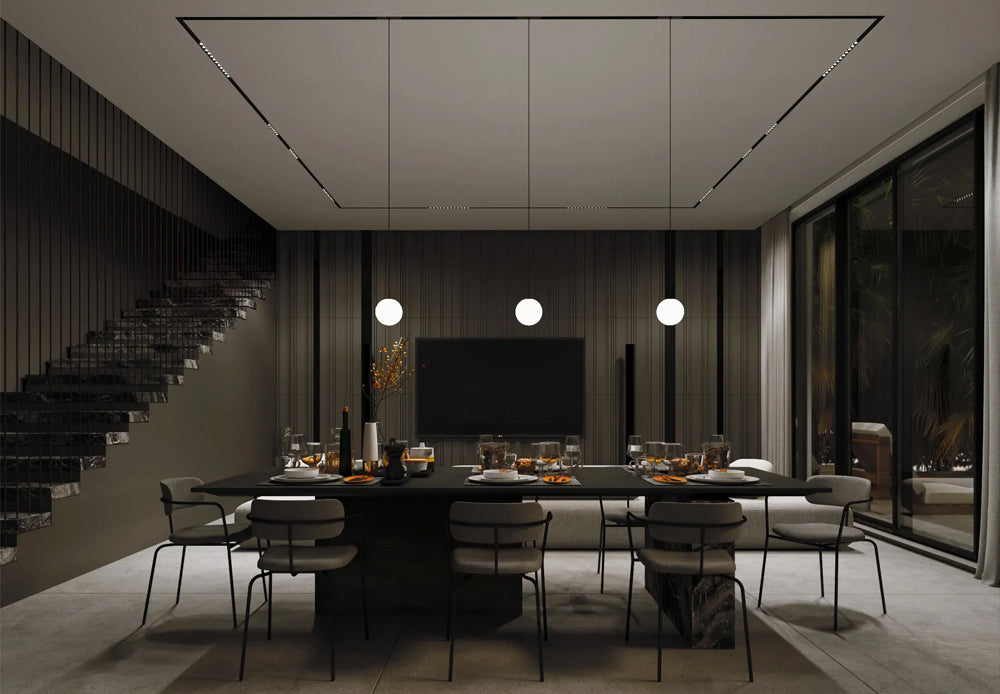
Illuminating Interiors: How Designers Use Light to Create Depth, Drama, and Dimension
Have you ever walked into a room and instantly felt a sense of awe, comfort, or undeniable sophistication? Chances are, you weren't just admiring the furniture or the color of the paint. You were experiencing the invisible, transformative power of lighting.
In the world of interior design, light is much more than a utilitarian necessity to keep us from bumping into coffee tables. It is a dynamic medium—a silent storyteller that designers use to sculpt spaces, evoke emotions, and bring architectural details to life. When used masterfully, lighting doesn't just illuminate a room; it creates depth, injects drama, and adds a multi-layered dimension that completely alters how a space feels.
If you are looking to elevate your home or commercial space from standard to spectacular, understanding the principles of lighting design is the ultimate game-changer. In this comprehensive guide, we will explore exactly how top designers manipulate light to craft breathtaking interiors. Along the way, we'll highlight some extraordinary fixtures from Ankur Lighting, a brand synonymous with cutting-edge LED technology and luxurious aesthetics, to help you bring these concepts into your own home.

The Holy Trinity of Lighting: Layering for Dimension
Before we dive into the dramatic flair, we have to talk about the foundation of all good lighting design: layering. You would never decorate a room with just one piece of furniture, so why would you light it with just one bright, glaring bulb in the center of the ceiling?
Designers rely on three specific layers of light to build dimension:
-
Ambient Lighting: This is your base layer. It provides overall, uniform illumination, mimicking natural daylight. It’s the functional light that fills the room, usually achieved through ceiling-mounted fixtures or recessed downlights.
-
Task Lighting: Exactly as it sounds, this layer is localized lighting meant to help you perform specific tasks—reading in a cozy chair, chopping vegetables on a kitchen island, or applying makeup at a vanity.
-
Accent Lighting: This is where the magic happens. Accent lighting is the "jewelry" of the room. It highlights architectural features, artwork, or statement furniture. It’s the layer responsible for creating shadows, contrast, and visual interest.
By balancing these three layers, designers eliminate the "flat" look that plagues so many spaces. Instead of a single, washed-out plane, the room suddenly has foregrounds, midgrounds, and backgrounds.

Sculpting Depth: The Art of Shadows and Highlights
Depth in interior design is all about contrast—the interplay between light and dark. Without shadows, a room feels sterile, much like the fluorescent-lit aisles of a big-box grocery store. Designers use directional lighting to carve out pockets of brightness against darker backdrops, making a room feel expansive and infinitely more interesting.
Wall Washing and Wall Grazing
Two techniques designers frequently use to create depth are wall washing and wall grazing.
-
Wall Washing: This involves placing lights a few feet away from a wall to cast a wide, even spread of light over it. This visually pushes the wall outward, making the room feel larger and more open.
-
Wall Grazing: Fixtures are placed very close to the wall (often within inches) to highlight the texture of stone, brick, or wood paneling. The light catches the raised surfaces and throws shadows into the crevices, adding incredible tactile dimension.
Spotlight on: Track and Recessed Lighting
To achieve this kind of precision, designers turn to highly adjustable, architectural-grade fixtures.
1. Ankur Archer Track Mounted Linear Laserblade COB Natural White 40W Adjustable Spot Light When you need powerful, precise lighting to wash a wall or highlight a prized piece of art, track lighting is an invaluable tool. The Ankur Archer Track Light is a masterclass in modern, flexible illumination. Featuring a 260mm linear design, it allows you to rotate and tilt the beam exactly where you need it. The 40W COB LED delivers a crisp, natural white light (4000K) that makes colors pop and textures come alive. It is the perfect fixture for creating localized zones of brightness that draw the eye and establish deep, dimensional contrast.
2. Ankur Luci Spot Head Adjustable Recessed LED Light For a cleaner ceiling profile that still offers immense directional control, adjustable recessed lights are the go-to choice. The Ankur Luci Adjustable Recessed Spot blends seamlessly into the ceiling while offering a fully adjustable head. Unlike static downlights that only point straight down, the Luci allows you to angle the beam toward architectural details, shelving, or feature walls. Available in various wattages and color temperatures, it’s the ultimate "stealth" tool for building ambient depth without cluttering your visual space.

Injecting Drama: Utilizing Wall Sconces
If depth is about making a room feel spacious, drama is about making it feel emotional. Drama in lighting design isn't about being loud or overwhelming; it's about intimacy, mood, and striking focal points.
Designers create drama by lowering the main ambient light and relying on localized, eye-level fixtures like wall sconces. By placing light at human height, you create a flattering, intimate glow that instantly makes a room feel cozier and more sophisticated. Sconces also act as illuminated art pieces, providing visual interest even when they are turned off.
Creating the "Chiaroscuro" Effect
Borrowed from Renaissance painting, chiaroscuro is the use of strong contrasts between light and dark to achieve a sense of volume and three-dimensionality. In a long hallway or a moody dining room, spacing out wall sconces creates rhythmic pools of light separated by gentle shadows. This technique breaks up the monotony of flat walls and adds a theatrical, dramatic rhythm to the space.
Spotlight on: Luxurious Wall Sconces
To bring drama to life, the fixture itself must be as stunning as the light it casts.
3. Ankur Flavia Crystal Metal LED Mirror Wall Light Nothing says "drama" quite like the interplay of light and crystal. The Ankur Flavia Wall Light is a testament to timeless elegance meeting modern utility. Crafted with a luxurious antique brass finish and crystal detailing, this fixture emits a powerful yet warm 3000K glow. Whether framing a vanity mirror, flanking a fireplace, or lining a sophisticated hallway, the Flavia creates a stunning refraction of light that instantly elevates the mood and perceived value of the interior.
4. Ankur Alabaster Pill Nordic Marble Wall Sconce If your flavor of drama is more modern and understated, the Ankur Alabaster Pill Sconce is a breathtaking choice. Blending minimalist Nordic design with the organic beauty of marble-inspired glass, this sconce diffuses light softly, eliminating harsh glares. When illuminated, the veining in the translucent glass creates a mesmerizing, textured glow that adds instant warmth to bedrooms, entryways, or living rooms. It’s a sculptural piece that proves drama can be whispered, not just shouted.

Defining Dimension: The Vertical Axis and Statement Pendants
When non-designers light a room, they often forget about the vertical axis—the space between the furniture and the ceiling. If all your lighting is recessed into the ceiling or sitting on side tables, the middle of the room feels empty and disconnected.
To create true three-dimensional volume, designers use hanging fixtures like pendants and chandeliers. By dropping light sources down into the visual field, you bridge the gap between the architecture and the human scale. This draws the eye upward, highlighting the height of the room and anchoring the space below it (like a dining table or a kitchen island).
The Rule of Odds and Symmetry
When using pendants to create dimension, designers often hang them in odd numbers (like a row of three over a kitchen island). This creates a sense of balance and continuous flow. For a more dramatic, dimensional look, staggering pendants at different heights creates a cascading effect that plays beautifully with spatial perception.
Spotlight on: The Anchor Pendant
A pendant light needs to have enough visual weight to command the space without obstructing the view.
5. Ankur Ferrous Modern Metal LED Pendant Light Industrial charm meets modern sophistication in the Ankur Ferrous Pendant Light. Featuring a robust metal build with an antique brass finish, this sleek, cylindrical pendant has a commanding vertical presence (1850mm height). Because of its slim 165mm diameter, it adds vertical dimension without blocking sightlines across a kitchen or dining room. Emitting a soft, inviting 3000K warm white glow, the Ferrous pendant is the perfect fixture to hover above breakfast nooks or dining tables, carving out a specific, intimate zone within a larger open-concept space.
The Invisible Designer: Color Temperature and Dimmability
You cannot talk about depth, drama, and dimension without addressing two critical technical aspects of LED lighting: Color Temperature and Dimmability.
Color Temperature (Kelvins)
The color of your light dramatically affects the psychological dimension of a space.
-
Warm White (2700K - 3000K): Emits a cozy, yellowish glow akin to candlelight or traditional incandescent bulbs. Designers use warm light to create inviting, intimate, and dramatic spaces like living rooms, bedrooms, and dining areas.
-
Natural White (4000K): A clean, crisp white that mimics midday sunlight. It is perfect for kitchens, bathrooms, and workspaces where you need clarity and high contrast.
-
Cool White (5000K+): Generally reserved for commercial spaces or highly specific task areas.
Using different color temperatures in the same space (carefully layered) can subtly define different zones. For instance, a kitchen might have 4000K recessed lights for prep work, but 3000K pendants over the island for dining.
The Power of the Dimmer
If there is one absolute rule in lighting design, it is this: Put everything on a dimmer. A room is not a static environment. A bright, evenly lit living room is great for a Sunday afternoon of cleaning or working, but that same room needs to transform into a moody, dramatic retreat for movie night or a cocktail party. Dimmers give you control over the intensity of your layers, allowing you to alter the depth and drama of a space with the slide of a switch.
Conclusion: Painting with Light
Designing an interior space without a thoughtful lighting plan is like painting a masterpiece in the dark. Light is the element that breathes life into architecture, accentuates textures, and sets the emotional tone of our homes.
By understanding the importance of layering ambient, task, and accent lighting, and by utilizing high-quality, adjustable fixtures, you can transform flat rooms into dynamic, three-dimensional sanctuaries. Whether it’s the precise directional beam of the Ankur Archer Track Light, the elegant drama of the Flavia Crystal Sconce, or the spatial anchoring of the Ferrous Pendant, the right fixtures make all the difference.
Light is not just something you see with—it is something you see. Master it, and you master your space.
Frequently Asked Questions (FAQs)
1. What is the difference between ambient, task, and accent lighting? Ambient lighting provides overall, general illumination to a room (like ceiling lights). Task lighting is focused light for specific activities (like a reading lamp or under-cabinet lights). Accent lighting is used to highlight specific features, artwork, or architectural details to create visual interest and depth.
2. How do I use lighting to make a small room look bigger? To make a room feel larger, use wall-washing techniques. Directing light toward the walls pushes the boundaries of the room outward. Additionally, utilizing vertical lighting (like tall floor lamps or hanging pendants) draws the eye upward, emphasizing the height of the ceiling.
3. What color temperature (Kelvin) is best for a living room? For living rooms and bedrooms, designers generally recommend Warm White lighting, typically between 2700K and 3000K. This creates a cozy, relaxing, and inviting atmosphere.
4. Why is my room lighting looking "flat" or uninviting? A "flat" room is usually the result of relying on a single, central light source (like one bright ceiling fixture) without any shadows or contrast. To fix this, turn off the harsh overhead light and layer in table lamps, wall sconces, or adjustable recessed spots to create pockets of light and shadow.
5. Are LED lights good for creating dramatic, moody interiors? Absolutely. Modern LED lighting, like the fixtures offered by Ankur Lighting, are perfect for creating drama. Not only do they come in beautiful warm color temperatures, but they are also highly energy-efficient and compatible with dimmer switches, allowing you total control over the room's mood.
Read more
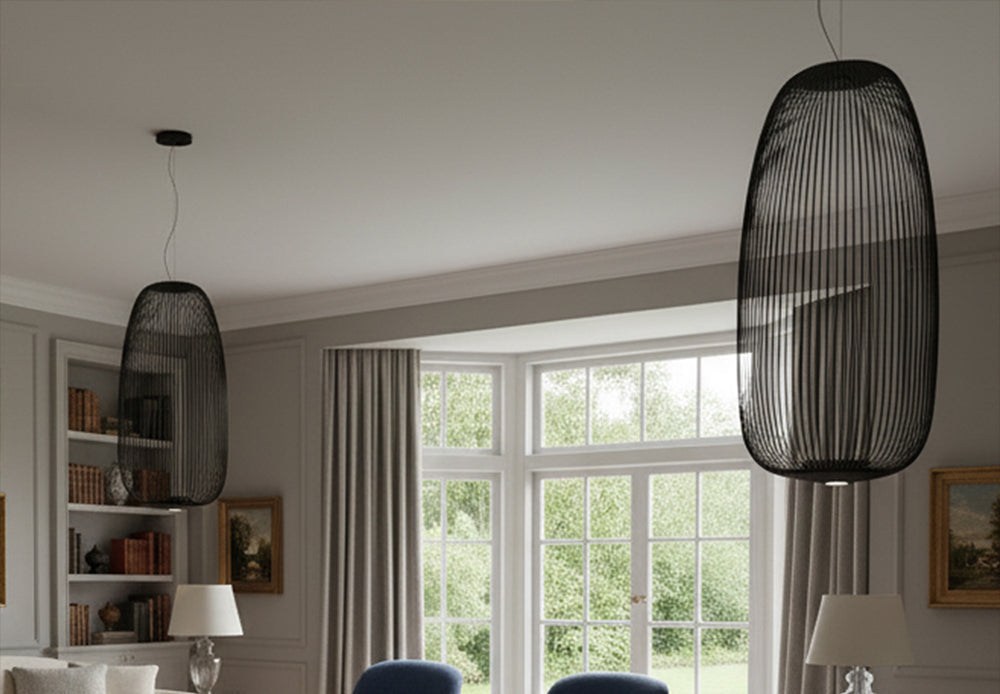
Lighting as Décor: When a Light Fixture Becomes the Focal Point
When you walk into a beautifully designed room, what is the first thing that catches your eye? Is it the plush velvet sofa, the meticulously curated gallery wall, or the sprawling Persian rug? Whil...
Read more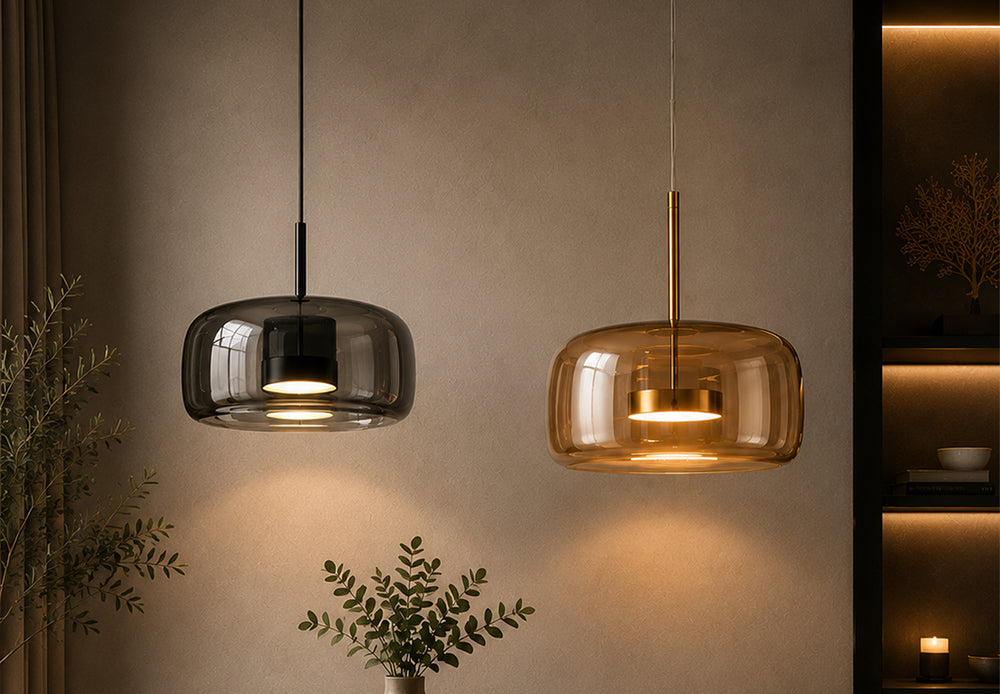
The New Language of Luxury Lighting: Subtle, Sculptural, and Sophisticated
The definition of luxury in interior design is undergoing a profound transformation. Not too long ago, luxury was practically synonymous with excess—think palatial homes featuring heavy, opulent ch...
Read more