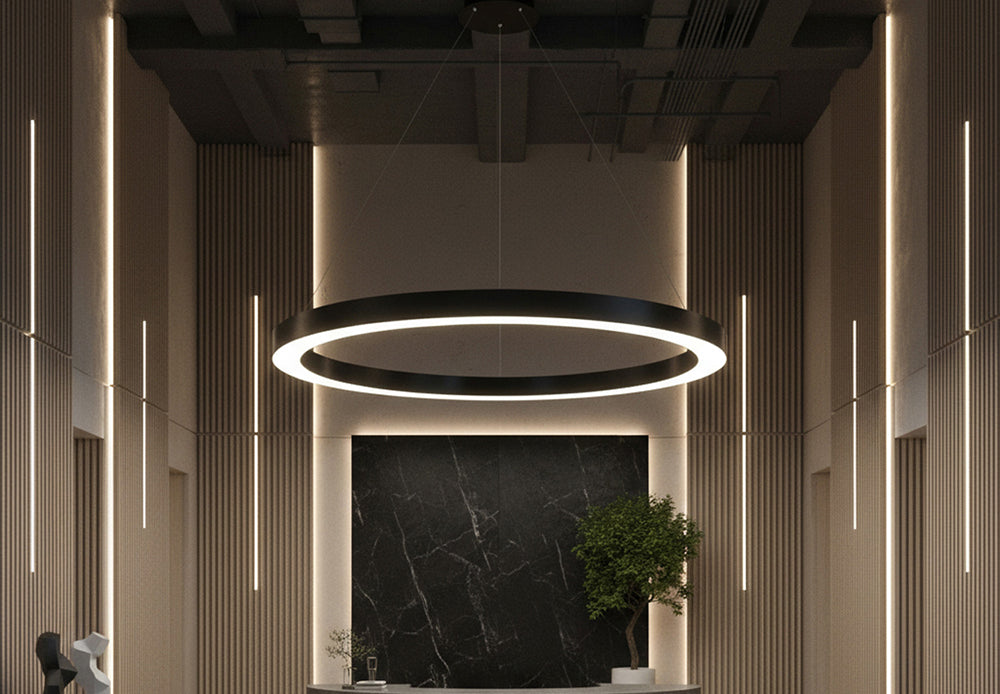
5 Floodlights vs Spotlights: Understanding Their Different Uses
Whether you are designing the ambient landscape of a sprawling commercial property or fine-tuning the architectural details of a modern residential living room, lighting is the unsung hero of interior and exterior design. It dictates the mood, enhances the aesthetic appeal, and serves critical functional purposes. Yet, one of the most common dilemmas architects, interior designers, and homeowners face is choosing the right type of directional lighting.
Specifically, the debate often boils down to two heavyweights in the illumination world: floodlights and spotlights.
At first glance, they might seem to perform the same basic function—projecting artificial light onto a dark space. However, their engineering, beam angles, color rendering index (CRI) capabilities, and ultimate applications are vastly different. Using a spotlight where a floodlight is required can lead to harsh, glaring hot spots, while using a floodlight instead of a spotlight will completely wash out the delicate architectural textures or artwork you intended to highlight.
In this comprehensive, SEO-optimized guide, we will break down the mechanics of both lighting types, explore the 5 core differences between them, and highlight some of the finest, high-performance lighting solutions from Ankur Lighting to elevate your next project.

What Exactly is a Spotlight?
A spotlight is a light fixture designed to project a narrow, highly controlled beam of light onto a specific target. By definition, a true spotlight usually has a beam angle of no more than 45 degrees, though many specialized architectural spotlights feature beam angles as tight as 10 to 25 degrees.
Because the beam is so condensed, the light remains highly concentrated. This means a spotlight can throw illumination over a long distance without the light dispersing or losing its intensity.
Best Uses for Spotlights
Spotlights are the undisputed champions of accent lighting. They are not meant to illuminate an entire room; rather, they draw the eye to specific focal points.
-
Highlighting Artwork: High-CRI spotlights are perfect for illuminating gallery walls, bringing out the true colors of a painting without fading the canvas.
-
Architectural Features: Spotlights can beautifully graze textured brick walls, highlight vaulted ceiling beams, or cast dramatic shadows on columns.
-
Retail Displays: In commercial settings, adjustable magnetic track spotlights are used to make merchandise pop and draw customer attention to specific high-value items.
-
Landscape Accents: In outdoor settings, narrow spotlights are used to up-light tall, slender trees or highlight statues without spilling light into the neighbor's yard.

What Exactly is a Floodlight?
On the opposite end of the spectrum, a floodlight is a high-intensity artificial light designed with a broad beam angle—typically ranging anywhere from 45 degrees up to 120 degrees or more.
Instead of throwing light over a long distance in a straight line, a floodlight "floods" an area with light, dispersing it widely. Because the light spreads out quickly, a floodlight cannot project illumination as far as a spotlight of the same wattage, but it covers exponentially more square footage.
Best Uses for Floodlights
Floodlights are the go-to solution for ambient and functional lighting over large areas.
-
Security Lighting: Broad beams are essential for illuminating dark driveways, perimeter walls, and commercial loading docks to deter intruders.
-
Parking Lots and Arenas: High-wattage floodlights provide the safe, uniform visibility required for commercial parking zones and sports stadiums.
-
Driveways and Patios: In residential layouts, a floodlight can safely illuminate the entire front yard or a sprawling backyard patio for evening gatherings.
-
Façade Lighting: When you want to wash the entire exterior of a building in a soft, even glow, floodlights are mounted near the base to project upward.
5 Core Differences: Floodlights vs Spotlights
To make the best design choices, it is crucial to understand the technical and practical distinctions between these two fixtures. Here are the 5 main differences:
1. The Beam Angle (The Defining Factor)
The most significant difference lies in the beam spread. Spotlights cast a narrow beam (usually under 45 degrees), creating a highly focused circle of light. Floodlights cast a wide beam (up to 120 degrees), washing a broad area. If you want precision, choose a narrow beam angle. If you want coverage, choose a wide one.
2. Light Spread and Throw Distance
Because a spotlight concentrates its lumens into a tight circle, the light travels much further. You can mount a spotlight high up on a two-story ceiling and it will still deliver a punchy, bright circle on the floor or a piece of art below. A floodlight, while potentially having the same lumen output, disperses its energy wide. Therefore, it will not travel as far before fading, making it better for illuminating the immediate surrounding area.
3. Application and Lighting Layers
In professional lighting design, spaces are built using three layers: ambient, task, and accent. Floodlights are almost exclusively used for broad ambient lighting (especially outdoors). Spotlights, particularly LED track lighting systems and recessed fixtures, are used for accent lighting and sometimes task lighting (such as a focused spot over a reading chair or kitchen prep area).
4. Glare Control and Shadows
Spotlights create high contrast. By illuminating one specific object, they leave the surrounding area in shadow, creating drama, depth, and texture. However, if pointed directly into a line of sight, they create intense glare. Floodlights create low contrast. They fill in shadows, creating a bright, uniform environment that is easy on the eyes and safe to navigate, which is why they are standard for commercial and security applications.
5. Wattage and Form Factor
Historically, floodlights required massive fixtures and extremely high wattages to push enough light over a wide area. Today, thanks to advanced LED technology, floodlights are much sleeker, but they generally still require higher wattages (50W to 400W) than residential spotlights (typically 2W to 15W) because their job is to illuminate vast spaces. Spotlights are designed to be discreet, often utilizing ultra-thin magnetic tracks or nano-recessed housings to remain invisible while the light itself does the talking.

The Importance of LED Technology and CRI
Whether you are opting for a sweeping floodlight or a precise spotlight, transitioning to modern LED solutions is non-negotiable. Traditional halogen or incandescent bulbs run incredibly hot, consume massive amounts of electricity, and require frequent replacement.
LED technology not only provides remarkable energy efficiency, but it also allows for precise control over the Color Rendering Index (CRI). For architectural and residential design, you should always look for lights with a high CRI (90+). High CRI ensures that the textures of your Vastu-aligned residential floor plans, the vibrant reds of an artwork, or the warm wood tones of custom cabinetry are rendered authentically to the human eye, without a muddy or green tint.
Additionally, LEDs allow for seamless integration of color temperatures (CCT). A crisp 4000K or 6500K floodlight is perfect for outdoor commercial security, while a warm 3000K spotlight is ideal for creating a cozy, relaxed ambiance in a contemporary living room.
Elevating Your Space: Top Picks from Ankur Lighting
When sourcing lighting for complex architectural layouts or commercial spaces, precision engineering, durability, and aesthetics are paramount. Here are 4 standout products from Ankur Lighting that expertly showcase the best of both worlds.
1. Ankur Powerful and Durable Outdoor LED Flood Light
Type: Floodlight | Best For: Commercial Exteriors, Parking Lots, and Architectural Façades
When you need to turn night into day safely and efficiently, this is the ultimate solution. Engineered for immense durability against harsh weather, this floodlight is available in a massive range of wattages (from 30W all the way up to a staggering 400W) to suit any scale of project. Whether you are illuminating an industrial driveway or washing the façade of a commercial building, it delivers uniform, high-intensity ambient light. Available in 3000K, 4000K, and 6500K to match your exact security or aesthetic needs.
Explore the Product: Ankur Powerful and Durable Outdoor LED Flood Light
2. Ankur 5mm Nanoslim Magnetic Modern Drum LED Spot Light
Type: Spotlight | Best For: Living Rooms, Bedrooms, and Contemporary Interiors
This fixture represents the pinnacle of modern smart-home design. Magnetic track lighting is revolutionizing how we plan room layouts, allowing for tool-free modularity. This specific drum-style spotlight snaps effortlessly onto a 5mm ultra-thin magnetic track. At 12W, it provides a powerful yet glare-free beam perfect for highlighting central coffee tables or wall textures. Its sleek form factor ensures that the fixture itself acts as a modern architectural detail.
Explore the Product: Ankur 5mm Nanoslim Magnetic Modern Drum LED Spot Light
3. Ankur 5mm Nanoslim Magnetic Adjustable and Modern Magnetic Track Spot Light
Type: Spotlight | Best For: Retail Displays, Gallery Walls, and Dynamic Accent Lighting
If flexibility is your primary concern, this adjustable magnetic track spotlight is a must-have. Designed for the same incredibly sleek 5mm magnetic track system, this spotlight can be physically tilted and swiveled. It is the perfect tool for highlighting changing artwork, commercial retail displays, or directing the eye toward unique architectural curves. Because it is magnetic, you can slide it along the track as your interior layout evolves—no rewiring required.
Explore the Product: Ankur 5mm Nanoslim Magnetic Adjustable Track Spot Light
4. Ankur Nano Adjustable Spot Recessed Light for Shelves
Type: Spotlight | Best For: Cabinetry, Open Shelving, and Niche Displays
Not all spotlights go on the ceiling. For intricate interior detailing—such as illuminating open kitchen shelving, custom library bookcases, or retail display niches—you need something discreet. The Nano Adjustable Spot is an ultra-slim, 2W recessed fixture crafted from premium die-cast aluminum. It provides a highly focused, low-wattage beam that adds incredible depth and high-end polish to cabinetry without overwhelming the space.
Explore the Product: Ankur Nano Adjustable Spot Recessed Light for Shelves

Conclusion: Balancing the Beam
Understanding the distinction between floodlights and spotlights is the foundation of brilliant lighting design.
Remember the golden rule: Floodlights are for coverage; Spotlights are for control.
If your goal is to make a vast parking lot safe, wash a building facade, or light up an entire driveway, a high-wattage LED floodlight is the only tool for the job. But if your goal is to draw the eye to a beautiful painting, highlight the texture of a stone wall, or add dramatic contrast to a modern living room, the precision of a magnetic track spotlight is unmatched.
By layering these two forms of lighting thoughtfully, and prioritizing high-quality, high-CRI LED fixtures from trusted brands like Ankur Lighting, you can transform any standard architectural space into a dynamic, visually stunning environment.
Frequently Asked Questions (FAQs)
Q: Can I use a spotlight as a security light?
A: Generally, no. Spotlights cover a very small, focused area. For security purposes, you want to eliminate dark corners and shadows over a wide area, which makes a broad-beam floodlight the much safer and more effective choice.
Q: Are LED magnetic track spotlights difficult to install?
A: The initial installation of the magnetic track into the ceiling or wall requires a professional electrician to ensure proper low-voltage wiring. However, once the track is installed, the LED spot modules simply snap into place magnetically. You can move, add, or remove them yourself in seconds without tools.
Q: What color temperature (Kelvin) should I choose for an outdoor floodlight?
A: It depends on the application. For commercial security and parking lots, a crisp 4000K (neutral white) or 6500K (cool daylight) is preferred for maximum visibility and alertness. For residential exterior facades where you want a warmer, more welcoming glow, 3000K is highly recommended.
Q: Does Ankur Lighting offer dimmable options for their spotlights?
A: Yes! Many of Ankur Lighting’s premium spotlights, such as the Nano Adjustable Spot Recessed Light, offer options for dimmable drivers. Dimmability is crucial for accent lighting, allowing you to control the mood and contrast of the room perfectly.
Q: What is the difference between IP20 and IP65 ratings in these lights?
A: The IP (Ingress Protection) rating tells you how well a fixture handles dust and moisture. An indoor fixture like a shelf spotlight will typically have an IP20 rating, meaning it should stay dry. Outdoor floodlights require an IP65 or higher rating to ensure they are fully weatherproof and protected against heavy rain and environmental dust.
Read more
The Ultimate Guide to Lighting Control Systems for Hotels: From Guest Rooms to Lobbies
Imagine walking into a luxury hotel after a long, exhausting day of travel. The moment you step through the revolving doors, you aren’t blinded by harsh, clinical lights. Instead, you are greeted b...
Read more
Cove Lighting Design: Brilliant Ideas for Modern Residential Interiors
Have you ever walked into a beautifully designed home and felt an immediate sense of calm and grandeur, even if you couldn’t immediately pinpoint why? More often than not, the secret lies not in th...
Read more